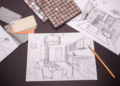

Step into the realm of interior architecture where creativity meets functionality. This captivating journey will delve into the intricate world of designing spaces that not only look beautiful but also serve a purpose.
Definition of Interior Architecture
Interior architecture is the art and science of designing and enhancing interior spaces to achieve a healthier and more aesthetically pleasing environment. It goes beyond just decorating a space, focusing on the structural elements and functionality of a space.
Difference between Interior Design and Interior Architecture
Interior design primarily deals with the decorative aspects of a space, such as furniture, color schemes, and accessories. On the other hand, interior architecture involves the design and planning of interior spaces, considering structural elements, building codes, and spatial functionality.
Role of Interior Architecture in Shaping Interior Spaces
Interior architecture plays a crucial role in shaping interior spaces by optimizing the use of space, improving circulation and flow, and integrating elements that enhance the overall experience within the space. It considers both the aesthetic and functional aspects to create harmonious and efficient environments.
Examples of How Interior Architecture Influences Functionality
- Structural Changes: Interior architecture can involve structural changes like removing walls to create open-concept spaces or adding partitions to define different areas within a room.
- Lighting Design: The placement of windows, artificial lighting fixtures, and natural light sources are carefully considered in interior architecture to optimize lighting levels and create ambiance.
- Furniture Layout: Interior architects strategically plan the layout of furniture to maximize functionality and comfort, ensuring that each piece serves a purpose and contributes to the overall design concept.
- Material Selection: The choice of materials for flooring, walls, and other surfaces is an important aspect of interior architecture, as it impacts both the aesthetics and durability of the space.
Elements of Interior Architecture
Interior architecture encompasses various key elements that work together to create functional and aesthetically pleasing spaces. These elements include spatial layout, materials, lighting, and furniture. Each element plays a crucial role in shaping the overall design of a space and contributes to the user experience.
Spatial Layout
The spatial layout of a space determines how functional and efficient it is for its intended use. It involves the arrangement of rooms, circulation paths, and the organization of furniture. A well-thought-out spatial layout can improve the flow of movement within a space, optimize the use of natural light, and create distinct zones for different activities.
Materials
Materials used in interior architecture can significantly impact the look and feel of a space. From flooring and wall finishes to furniture and decorative elements, the choice of materials can convey a certain style or atmosphere. The selection of materials should consider factors such as durability, maintenance requirements, and sustainability to ensure a cohesive design scheme.
Lighting
Lighting is a crucial element in interior architecture as it affects the mood, functionality, and visual appeal of a space. Different types of lighting, such as ambient, task, and accent lighting, can be used to create a well-balanced and dynamic environment.
Properly placed lighting fixtures can highlight architectural features, create focal points, and enhance the overall ambiance of a space.
Furniture
Furniture not only serves a practical function but also contributes to the aesthetics of a space. The selection of furniture pieces should complement the overall design concept and provide comfort and functionality. The scale, style, and arrangement of furniture can influence the perceived size of a space and create a harmonious balance between form and function.Incorporating these elements harmoniously is essential in interior architecture to create cohesive and well-designed spaces that meet the needs and preferences of the users.
By carefully considering the spatial layout, materials, lighting, and furniture, designers can achieve a successful interior architecture project that enhances the quality of life for its occupants.
Historical Evolution of Interior Architecture
Interior architecture has a rich history that dates back to ancient civilizations and has evolved significantly over time. Let’s explore the journey of interior architecture from the past to the present.
Ancient Civilizations
Interior architecture can be traced back to ancient civilizations such as the Egyptians, Greeks, and Romans. These cultures placed a strong emphasis on creating harmonious and functional interior spaces within their temples, palaces, and homes. Intricate details, use of natural materials, and symbolic elements were common features in their interior design.
Medieval and Renaissance Period
During the Medieval and Renaissance periods, interior architecture saw a shift towards grandeur and opulence. Gothic architecture in cathedrals and the revival of classical elements in palaces reflected the religious and cultural influences of the time. The Renaissance brought about a renewed interest in humanism and proportion, leading to the development of new design principles.
Industrial Revolution
The Industrial Revolution marked a significant turning point in interior architecture with the mass production of furniture and decorative elements. This period saw the rise of industrial design and the incorporation of new materials such as steel and glass into interior spaces.
Functionality and efficiency became key considerations in design.
Modernism and Contemporary Trends
The 20th century brought about the Modernist movement, which emphasized simplicity, clean lines, and minimalism in interior architecture. Influential figures like Le Corbusier and Frank Lloyd Wright revolutionized the way spaces were designed and perceived. Today, contemporary interior architecture continues to be influenced by these historical trends, with a focus on sustainability, technology integration, and cultural diversity.
Technology and Innovation in Interior Architecture
Technology has significantly transformed the field of interior architecture, revolutionizing the way designers conceptualize and create interior spaces. The use of software and digital tools has become increasingly prevalent, allowing for more efficient and precise design processes. This integration of technology has opened up new possibilities and avenues for creativity in interior architecture.
Augmented Reality and Virtual Reality in Interior Design
One of the most innovative technologies shaping the future of interior architecture is the use of augmented reality (AR) and virtual reality (VR) tools. These immersive technologies enable designers and clients to visualize and experience interior spaces in a realistic and interactive manner.
By using AR and VR, designers can create virtual walkthroughs of spaces, allowing for better planning and visualization of design concepts.
Parametric Design and Generative Algorithms
Another groundbreaking technology in interior architecture is the use of parametric design and generative algorithms. These tools allow designers to create complex and intricate designs based on algorithms and parameters set by the designer. This approach enables the generation of unique and innovative interior spaces that push the boundaries of traditional design.
Smart Home Technology Integration
The integration of smart home technology is also revolutionizing interior architecture, allowing for the creation of intelligent and responsive living spaces. From automated lighting and temperature control to smart appliances and security systems, these technologies are seamlessly integrated into the design of interior spaces, enhancing comfort, convenience, and sustainability.
Concluding Remarks
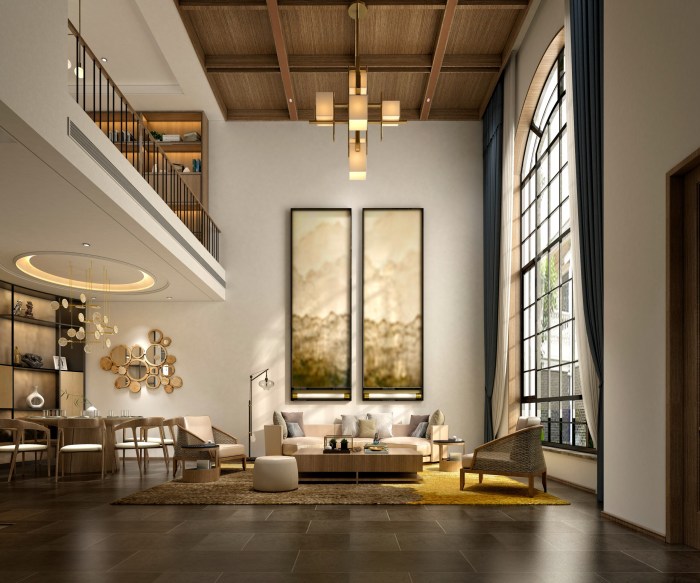
As we conclude our exploration of interior architecture, we are left with a deeper appreciation for the art of shaping living environments. The blend of history, innovation, and design elements creates a rich tapestry that continues to inspire and influence our surroundings.
Detailed FAQs
What is the difference between interior design and interior architecture?
Interior design focuses on aesthetics and decoration, while interior architecture deals with the structural elements and layout of a space.
How does historical evolution impact contemporary interior architecture?
Historical trends influence current design styles, materials, and spatial arrangements in interior architecture.
What are the key elements of interior architecture?
Key elements include spatial layout, materials, lighting, and furniture, which collectively shape the design of a space.