

Diving into the world of global siding and roofing, readers will uncover the latest trends, challenges, and technological impacts shaping this dynamic industry. From key players to major regions driving growth, this overview sets the stage for an informative journey.
As we delve deeper, we’ll explore the various types of siding materials used worldwide, discussing environmental impacts and sustainable alternatives. Additionally, we’ll take a closer look at diverse roofing systems and innovative technologies in use across different climates.
Overview of Global Siding and Roofing Industry
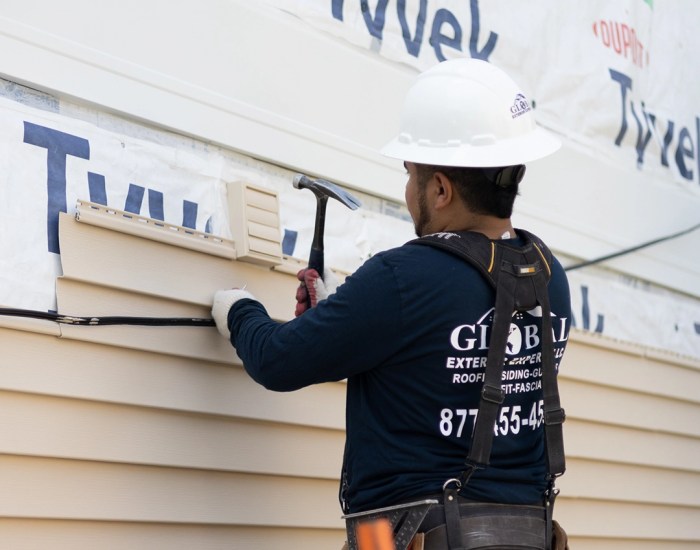
The global siding and roofing industry is experiencing significant growth and facing various challenges in the current market landscape. With the increasing focus on sustainable and energy-efficient building practices, the demand for innovative siding and roofing solutions has been on the rise.
However, the industry also faces challenges such as fluctuating raw material costs, labor shortages, and regulatory changes.
Current Trends and Challenges
- The shift towards sustainable and energy-efficient building practices is driving the demand for eco-friendly siding and roofing materials.
- Fluctuating raw material costs, especially for metals and asphalt, pose challenges for manufacturers and suppliers in the industry.
- Labor shortages in the construction sector have impacted the timely completion of siding and roofing projects, leading to delays and increased costs.
- Regulatory changes related to building codes and environmental standards are influencing product development and market strategies in the industry.
Key Players and Major Regions
- Key players in the global siding and roofing industry include companies like CertainTeed Corporation, Owens Corning, James Hardie Industries, and Beacon Roofing Supply.
- Major regions driving the growth in the industry include North America, Europe, Asia Pacific, and Latin America, with increasing construction activities and infrastructure development.
- The Asia Pacific region is witnessing rapid urbanization and industrialization, leading to a surge in demand for high-quality siding and roofing materials.
Impact of Technological Advancements
- Technological advancements such as 3D printing, drone technology, and augmented reality are revolutionizing the design and installation processes in the siding and roofing sector.
- Advanced materials like solar shingles and green roofs are gaining popularity, offering sustainable solutions for energy generation and environmental conservation.
- Digital tools and software applications are enhancing project management, communication, and efficiency in the construction of siding and roofing systems.
Types of Siding Materials
When it comes to siding materials, there are several options available globally, each with its own set of advantages and disadvantages. Let’s take a closer look at some of the most popular choices and how they compare.
Vinyl Siding
Vinyl siding is one of the most commonly used materials due to its affordability and low maintenance requirements. It is available in a wide range of colors and styles, making it a versatile option for homeowners. However, vinyl siding can be prone to cracking in extreme weather conditions and may not be as durable as other materials.
Wood Siding
Wood siding offers a natural and traditional look that many homeowners love. It is also environmentally friendly and can be easily painted or stained to match the aesthetic of the home. However, wood siding requires regular maintenance to prevent rot, warping, and insect damage, making it a higher maintenance option.
Fiber Cement Siding
Fiber cement siding is a durable and low-maintenance option that is resistant to rot, fire, and insects. It can mimic the look of wood or masonry while offering better durability and longevity. On the downside, fiber cement siding can be more expensive upfront and may require professional installation due to its weight.
Metal Siding
Metal siding, such as aluminum or steel, is known for its strength and longevity. It is resistant to fire, rot, and insects, making it a durable option for homeowners. However, metal siding can be prone to dents and scratches, especially in areas with high winds or hail storms.
It may also require repainting over time to maintain its appearance.
Environmental Impact and Sustainable Alternatives
When considering siding materials, it’s essential to think about the environmental impact of each option. Some sustainable alternatives to traditional siding materials include recycled wood, reclaimed materials, and fiber cement made from sustainable sources. These eco-friendly options help reduce the carbon footprint of construction projects and promote sustainability in the building industry.
Roofing Systems Around the World
Roofing systems vary significantly across different parts of the world, influenced by local traditions, climates, and available materials. From ancient techniques to modern innovations, each region has unique solutions to protect buildings from the elements.
Asphalt Shingles
Asphalt shingles are one of the most popular roofing materials in North America, known for their affordability and ease of installation. They are durable, fire-resistant, and come in a variety of colors and styles to suit different architectural designs.
Clay Tiles
Clay tiles have been used for centuries in regions with hot climates, such as Mediterranean countries. They are known for their excellent heat insulation properties and ability to withstand extreme weather conditions. The distinctive look of clay tiles adds charm and character to buildings.
Metal Roofing
Metal roofing is gaining popularity worldwide due to its durability, energy efficiency, and low maintenance requirements. It is lightweight, recyclable, and can last for decades, making it a sustainable choice for environmentally conscious consumers.
Green Roofs
Green roofs, also known as living roofs, are becoming more prevalent in urban areas as a sustainable roofing solution. These roofs are covered with vegetation, providing insulation, reducing energy costs, and improving air quality. They also help manage stormwater runoff and create green spaces in densely populated cities.
Global Market Trends and Forecast
Global siding and roofing industries are expected to witness significant growth in the coming years due to various market trends and forecasts. Factors such as urbanization, construction activities, and economic conditions play a crucial role in shaping the demand for siding and roofing materials worldwide.
Additionally, regulations, policies, and sustainability initiatives are becoming increasingly important in influencing the future of the industry.
Market Growth Projections
The global siding and roofing market is projected to experience substantial growth in the forecast period, driven by the increasing construction activities in both residential and commercial sectors. The demand for durable, energy-efficient, and aesthetically pleasing siding and roofing materials is expected to surge, leading to a rise in market revenue.
Factors Influencing Market Demand
Urbanization is a key factor influencing the demand for siding and roofing materials, as more people move to urban areas, leading to a higher need for housing and commercial buildings. Economic conditions also play a significant role, with factors such as GDP growth, interest rates, and consumer spending impacting the construction industry.
Moreover, changing consumer preferences towards sustainable and eco-friendly materials are driving the adoption of green siding and roofing solutions.
Regulations and Sustainability Initiatives
Regulations and policies related to building codes, energy efficiency, and environmental protection are shaping the future of the siding and roofing industry. Governments worldwide are implementing stricter regulations to promote sustainability and reduce carbon emissions, leading to a shift towards energy-efficient and environmentally friendly materials.
Sustainability initiatives by industry players, such as using recycled materials and reducing waste, are also contributing to the growth of the market.
Final Thoughts
In conclusion, the global siding and roofing market presents a landscape of opportunities and challenges influenced by factors like urbanization, regulations, and sustainability initiatives. This discussion leaves readers with a comprehensive understanding of the industry’s future direction.
User Queries
What are some popular siding materials used globally?
Popular siding materials include vinyl, wood, fiber cement, and metal, each with their own pros and cons.
What are some traditional roofing systems around the world?
Traditional roofing systems vary from asphalt shingles to clay tiles, with each region having its own unique preferences.
How do technological advancements impact the global siding and roofing sector?
Technological advancements play a key role in improving efficiency, durability, and sustainability in the siding and roofing industry.