
As organizations strive to find the best candidates efficiently, AI-based screening platforms for hiring have emerged as a game-changer in the recruitment landscape. These innovative tools leverage artificial intelligence to streamline the hiring process, identify top talent, and reduce biases.
Let’s delve into the world of AI-based screening platforms and explore how they are reshaping the way we hire.
Overview of AI-based screening platforms for hiring
AI-based screening platforms for hiring are revolutionizing the recruitment process by leveraging artificial intelligence to streamline and optimize candidate selection. These platforms utilize advanced algorithms to analyze resumes, assess qualifications, and identify the best-fit candidates for specific job roles.
Key Features of AI-based screening platforms
- Resume Parsing: AI algorithms scan resumes to extract relevant information such as skills, experience, and education.
- Skill Matching: Platforms match candidate skills with job requirements to identify suitable candidates.
- Behavioral Assessments: AI tools can analyze candidate behavior and predict performance based on patterns.
- Automated Scheduling: Platforms can schedule interviews and communicate with candidates automatically.
Benefits of using AI in the hiring process
- Efficiency: AI streamlines the screening process, saving time and resources for recruiters.
- Accuracy: AI algorithms can analyze vast amounts of data accurately and identify top candidates effectively.
- Diversity: AI can help reduce bias in the hiring process and promote diversity and inclusion.
Examples of industries where AI-based screening platforms are commonly used
- Technology: Tech companies use AI to source and screen candidates for technical roles.
- Finance: Financial institutions leverage AI for analyzing candidate profiles and skill sets.
- Retail: Retail companies use AI to match candidates with customer-facing roles based on behavioral assessments.
How AI enhances the recruitment process
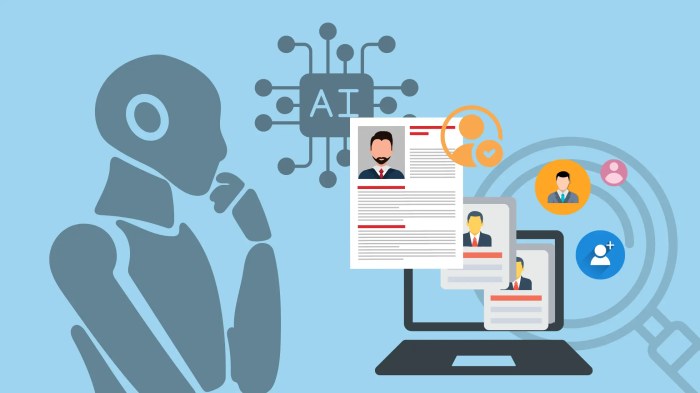
AI plays a crucial role in enhancing the recruitment process by leveraging advanced technologies to streamline various aspects of hiring. From initial candidate screening to reducing bias in hiring decisions, AI offers numerous benefits that ultimately lead to more efficient and effective recruitment processes.
Streamlining the initial candidate screening process
AI-powered screening platforms use algorithms to analyze resumes and applications, quickly identifying top candidates based on predefined criteria. By automating this initial screening process, recruiters can save time and focus on engaging with the most qualified candidates. This not only speeds up the hiring process but also ensures that no potential talent is overlooked.
Identifying top talent efficiently
AI can analyze vast amounts of data to identify patterns and trends that indicate top talent. By using predictive analytics and machine learning algorithms, AI can help recruiters pinpoint candidates with the skills, experience, and potential to excel in a particular role.
This targeted approach not only increases the chances of hiring the best candidates but also reduces the time and resources spent on recruitment.
Reducing bias in hiring decisions
AI helps in reducing bias in hiring decisions by focusing on objective criteria rather than subjective judgments. By removing human bias from the screening and selection process, AI ensures that candidates are evaluated based on their qualifications and fit for the role.
This leads to more diverse and inclusive hiring practices, ultimately resulting in a stronger and more innovative workforce.
Successful implementations of AI in recruitment
Companies like IBM, Hilton, and Unilever have successfully implemented AI in their recruitment processes, resulting in significant improvements in efficiency and quality of hires. For example, IBM’s AI-powered platform, Watson Recruitment, has helped the company reduce time-to-fill rates by 90% and increase the quality of hires by 35%.
Similarly, Hilton’s AI-driven recruitment tool, “Opportunity Engine,” has enabled the company to identify top talent more efficiently and effectively, leading to better hiring decisions and improved retention rates.
Key functionalities of AI-based screening platforms
AI-based screening platforms offer a range of functionalities that streamline the recruitment process and enhance efficiency in identifying the most suitable candidates for a job. These platforms leverage artificial intelligence to automate various aspects of candidate evaluation and selection.
Automated Resume Screening and Candidate Evaluation
AI-based screening platforms use algorithms to scan through resumes and identify key qualifications and skills that match the job requirements. This automated process saves time for recruiters by prioritizing resumes that closely match the job description, thereby increasing the chances of finding the right candidates efficiently.
Assessment of Candidates’ Skills and Qualifications
AI algorithms are designed to assess candidates’ skills based on their resumes, cover letters, and any additional assessments provided during the application process. By analyzing the information provided by candidates, AI can determine the level of expertise in specific areas and compare it to the job requirements.
Assistance in Scheduling Interviews and Coordinating Hiring Process
AI-based screening platforms help recruiters schedule interviews by analyzing candidates’ availability and matching it with the interviewers’ schedules. This coordination ensures a seamless hiring process without the need for manual back-and-forth communication. Additionally, AI can send automated updates to candidates regarding the status of their application, keeping them informed throughout the process.
Challenges and considerations in using AI for hiring
AI-based screening platforms offer numerous benefits for the recruitment process, but they also come with their own set of challenges and considerations that organizations need to address.
Potential biases in AI-based recruitment
- AI algorithms can unintentionally perpetuate biases present in historical data used for training, leading to discriminatory hiring practices.
- Factors like gender, race, or socioeconomic background present in the data can result in biased decision-making by the AI.
- It is crucial to regularly monitor and evaluate the AI’s decision-making process to identify and mitigate any biases that may arise.
Importance of human oversight in AI-based hiring processes
- Human oversight is essential to ensure that the AI is making fair and unbiased decisions throughout the recruitment process.
- HR professionals should be involved in setting the parameters for AI algorithms and interpreting the results to prevent discriminatory outcomes.
- Human intervention can help correct any errors or biases identified in the AI’s decision-making process.
Addressing privacy concerns when implementing AI in hiring
- Organizations must be transparent about the data collected and how it is used in the hiring process to maintain candidate trust.
- Implementing robust data protection measures and ensuring compliance with data privacy regulations are crucial to safeguarding candidate information.
- Organizations should also provide clear guidelines on how candidate data is stored, shared, and used within the AI platform.
Best practices for organizations adopting AI-based screening platforms
- Conduct thorough testing and validation of AI algorithms to ensure they are free from biases and provide accurate results.
- Train HR professionals and hiring managers on how to interpret and use AI-generated insights effectively in the recruitment process.
- Regularly review and update AI algorithms to adapt to changing hiring trends and ensure fairness in decision-making.
Conclusive Thoughts
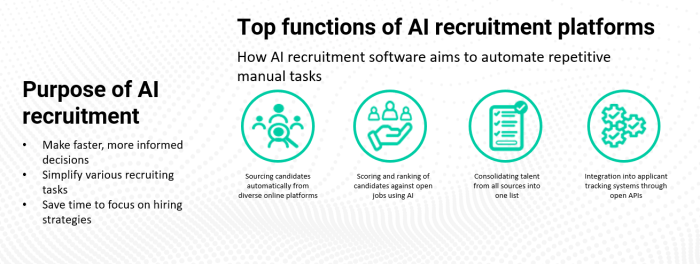
In conclusion, AI-based screening platforms for hiring offer a glimpse into the future of recruitment, where technology plays a pivotal role in finding the right fit for organizations. By automating tasks, enhancing efficiency, and minimizing biases, these platforms are revolutionizing the way we approach hiring.
Embracing AI in recruitment processes can lead to more informed decisions and better outcomes for both employers and candidates.
Questions Often Asked
How does AI-based screening platforms help in reducing biases in hiring?
AI algorithms are designed to focus on skills and qualifications rather than personal characteristics, reducing the impact of biases in decision-making.
What are some challenges organizations may face when implementing AI-based screening platforms?
Organizations may encounter challenges related to data privacy, potential biases in algorithms, and the need for human oversight to ensure fair and effective hiring processes.
Can AI-based screening platforms be customized to suit specific industry requirements?
Yes, AI-based screening platforms can be tailored to meet the unique needs of different industries, allowing organizations to adapt the technology to their specific hiring criteria.