

Embark on a journey through the realms of architecture and interior design, where creativity and innovation converge to shape our living spaces in unique ways. From the intricate designs of architects to the artistic flair of interior designers, this topic delves into the fascinating world of creating environments that inspire and captivate.
Delve deeper into the nuances of each profession and discover the distinct roles they play in shaping the places we inhabit.
Roles and Responsibilities
An architect plays a crucial role in building design by combining artistic vision with technical expertise to create functional and aesthetically pleasing structures. They are responsible for designing the overall layout and appearance of a building, ensuring that it meets the needs of its users while also complying with safety regulations and building codes.Interior designers, on the other hand, focus on the interior spaces of a building, such as rooms, hallways, and common areas.
Their main responsibility lies in space planning, where they determine the best way to arrange furniture, fixtures, and other elements to optimize functionality and flow within a space. They also consider factors like lighting, color schemes, and materials to create a cohesive and inviting environment.
Comparison of Tasks
- Architects primarily focus on the overall structure and external appearance of a building, while interior designers concentrate on the internal layout and aesthetics.
- Architects work closely with engineers and contractors to ensure that the building is structurally sound and meets building codes, while interior designers collaborate with clients to understand their needs and preferences.
- Architects may be involved in site selection, building orientation, and exterior finishes, while interior designers are more concerned with furniture selection, color schemes, and decorative elements.
- Both architects and interior designers contribute to creating spaces that are not only visually appealing but also functional and conducive to the well-being of the occupants.
Education and Training

Becoming an architect or interior designer requires a specific educational path and training. Let’s explore the requirements for each profession.
Architect
To become an architect, individuals typically need to complete a professional degree in architecture from a program accredited by the National Architectural Accrediting Board (NAAB). This can be a Bachelor of Architecture (B.Arch) or a Master of Architecture (M.Arch) degree.
After completing the degree, aspiring architects must gain practical experience through an internship, typically lasting around three years. This experience is crucial for developing practical skills and understanding the real-world application of architectural principles.Once the internship is complete, individuals must pass the Architect Registration Examination (ARE) to become a licensed architect.
This exam tests candidates on various aspects of architecture, including site planning, building systems, and construction documents.
Interior Designer
Interior designers typically pursue a Bachelor’s degree in interior design or a related field. While a specific degree is not always required, completing a program accredited by the Council for Interior Design Accreditation (CIDA) can enhance job prospects and credibility.In addition to formal education, interior designers may also pursue certifications to demonstrate their expertise.
The National Council for Interior Design Qualification (NCIDQ) exam is a common certification that tests designers on various aspects of interior design, including building systems, codes, and project coordination.
Skill Sets Comparison
The education and training for architects and interior designers equip individuals with unique skill sets. Architects focus on designing and constructing buildings, emphasizing structural integrity, building codes, and spatial design. Interior designers, on the other hand, specialize in creating functional and aesthetically pleasing interior spaces, considering factors like furniture layout, color schemes, and lighting design.While both professions require a strong foundation in design principles, architects typically have a deeper understanding of structural engineering and building systems, while interior designers excel in creating cohesive and visually appealing interior environments.
Overall, the educational paths for architects and interior designers reflect the distinct but complementary nature of their roles in the design industry.
Design Process
The design process in architecture and interior design involves several crucial steps that guide professionals in creating functional and aesthetically pleasing spaces.
Architectural Design Process
- Programming: This initial phase involves gathering information from the client, understanding their needs, and defining project goals.
- Schematic Design: Architects create rough sketches and basic layouts to explore design options and establish the overall concept.
- Design Development: Refining the chosen concept, architects develop detailed drawings, materials, and structural systems.
- Construction Documents: Creating precise drawings and specifications for builders to follow during construction.
- Construction Administration: Architects oversee the construction process to ensure the design intent is being met and address any issues that may arise.
Interior Design Conceptualization and Execution
- Concept Development: Interior designers create mood boards, sketches, and color schemes to communicate the design concept to clients.
- Space Planning: Determining the layout of furniture, fixtures, and finishes to optimize functionality and flow within a space.
- Material Selection: Choosing appropriate materials, fabrics, and finishes that align with the design concept and meet the client’s requirements.
- Detailing: Developing detailed drawings and specifications for furniture, lighting, and custom millwork to ensure accurate execution.
- Installation and Styling: Overseeing the installation of furnishings and accessories to bring the design concept to life and create a cohesive space.
Collaboration between Architects and Interior Designers
Collaboration between architects and interior designers is key to creating cohesive and harmonious spaces that blend aesthetics with functionality.
- Regular Meetings: Architects and interior designers meet to discuss project goals, share ideas, and ensure alignment throughout the design process.
- Integration of Design Elements: Architects incorporate structural elements that complement the interior design vision, while interior designers select finishes and furnishings that enhance the architectural features.
- Communication: Open and transparent communication between both professionals ensures that design decisions are well-coordinated and executed effectively.
- Respect for Each Other’s Expertise: Architects and interior designers respect each other’s expertise and collaborate to achieve a cohesive design that meets the client’s needs and vision.
Influential Architects and Designers
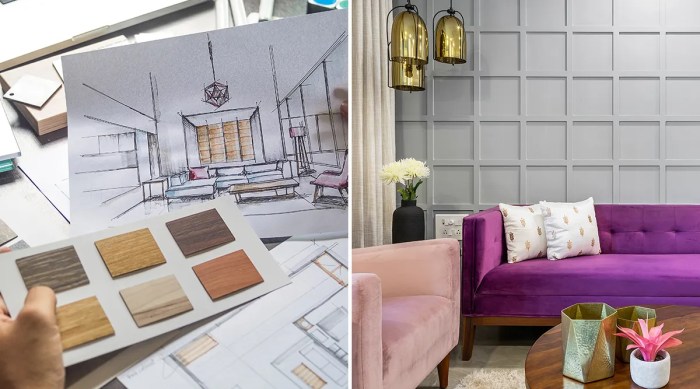
When it comes to the world of architecture and interior design, there are several influential figures who have left a lasting impact on the industry. These architects and designers have pushed the boundaries of creativity and innovation, inspiring others to think outside the box and create spaces that are truly remarkable.
Key Architects
Some of the key architects who have made significant contributions to the field include:
- Frank Lloyd Wright: Known for his organic architecture style, Wright’s work emphasized harmony between human habitation and the natural world.
- Le Corbusier: A pioneer of modern architecture, Le Corbusier’s work focused on functionality, clean lines, and geometric forms.
- Zaha Hadid: Renowned for her futuristic designs and groundbreaking structures, Hadid was the first woman to receive the Pritzker Architecture Prize.
Influential Interior Designers
In the realm of interior design, there are also notable figures who have made a significant impact with their innovative work. Some of these influential interior designers include:
- Kelly Wearstler: Known for her bold and eclectic style, Wearstler’s designs often feature a mix of textures, patterns, and colors.
- Philippe Starck: A prolific designer with a focus on sustainability, Starck’s interiors are characterized by their whimsical and imaginative elements.
- Elle Decor A-List: A curated list of top designers recognized by Elle Decor for their exceptional talent and creativity in the world of interior design.
Comparison of Design Styles
While architects and interior designers have distinct roles, their design styles often intersect and influence one another. Renowned architects tend to focus on the structural elements of a space, while interior designers enhance the aesthetics and functionality of the interiors.
The collaboration between these two disciplines can result in seamless and cohesive designs that blend form and function seamlessly.
Closure
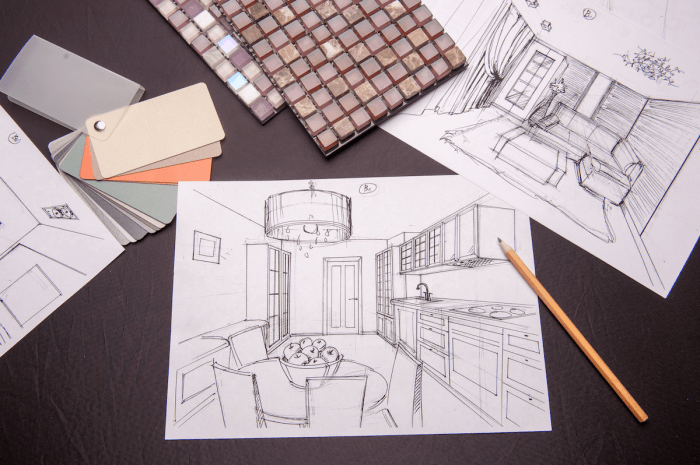
As we conclude our exploration of the architect and interior designer dynamic, we are left with a deeper appreciation for the artistry and functionality they bring to the spaces we occupy. From visionary architects to talented interior designers, their collaborative efforts shape the world around us in profound ways.
Answers to Common Questions
What is the role of an architect in building design?
An architect is responsible for designing buildings that are both functional and aesthetically pleasing, taking into account safety regulations and structural integrity.
What certifications are required for interior designers?
Interior designers often pursue certifications such as NCIDQ to demonstrate their expertise and professionalism in the field.
How do architects and interior designers collaborate during the design phase?
Architects and interior designers work closely together to ensure that the overall design of a space seamlessly integrates both structural elements and interior aesthetics.