
Exploring the realm of ATS platforms for HR managers, this introduction sets the stage for a deep dive into how these tools revolutionize HR processes with efficiency and innovation.
From defining the essence of ATS platforms to showcasing their impact on recruitment practices, this overview paves the way for a comprehensive understanding of this transformative technology.
Introduction to ATS Platforms for HR Managers
Applicant Tracking System (ATS) platforms are software applications used by HR managers to streamline and manage the recruitment process efficiently. These platforms are designed to automate the process of collecting, sorting, and tracking job applications, making it easier for HR professionals to identify suitable candidates for open positions.
Streamlining Recruitment Processes
ATS platforms streamline recruitment processes for HR managers by providing a centralized database where all candidate information is stored. This allows HR professionals to easily search for and filter candidates based on specific criteria, such as skills, experience, and qualifications.
Additionally, ATS platforms often include features like automated resume parsing, interview scheduling, and communication tools, helping HR managers save time and resources throughout the hiring process.
Popular ATS Platforms
- Workday Recruiting: A cloud-based ATS platform that offers a comprehensive suite of recruitment tools, including job posting, candidate tracking, and reporting capabilities.
- Greenhouse: Known for its user-friendly interface and customizable workflows, Greenhouse is a popular choice among HR professionals for managing recruitment processes effectively.
- iCIMS: iCIMS is a robust ATS platform that integrates with various HR systems and offers features like candidate relationship management and analytics to streamline recruitment operations.
Key Features of ATS Platforms
ATS platforms offer a variety of features designed to streamline the recruitment process and enhance the efficiency of HR managers. These features are essential for sourcing, tracking, and evaluating candidates effectively.
Resume Parsing
- Automatically extract important information from resumes.
- Organize data into searchable fields for easy access.
- Speeds up the screening process by quickly identifying qualified candidates.
Customizable Workflow
- Create personalized recruitment workflows tailored to specific hiring needs.
- Track candidate progress through each stage of the recruitment process.
- Set reminders and notifications for important follow-ups and deadlines.
Candidate Database
- Store candidate profiles, resumes, and communication history in one centralized location.
- Easily search and retrieve candidate information based on specific criteria.
- Build talent pools for future recruitment needs.
Collaboration Tools
- Facilitate communication and collaboration among team members involved in the hiring process.
- Assign tasks, share feedback, and track progress in real-time.
- Enhance team efficiency and decision-making through seamless collaboration.
Benefits of Using ATS Platforms
Using an Applicant Tracking System (ATS) can provide numerous advantages for HR managers in the recruitment process. These platforms are designed to streamline and enhance the hiring process, making it more efficient and effective.
Improved Efficiency and Effectiveness
ATS platforms help HR managers save time by automating various tasks such as resume screening, candidate communication, and interview scheduling. This automation reduces manual workloads, allowing HR professionals to focus on more strategic aspects of recruitment. Additionally, ATS systems enable faster candidate sourcing and tracking, leading to quicker hiring decisions and reduced time-to-fill vacancies.
Enhanced Candidate Experience
By utilizing ATS platforms, HR managers can provide a more seamless and personalized experience for job applicants. These systems often include features like automated email responses, status updates, and online application portals, which improve communication and engagement with candidates throughout the recruitment process.
A positive candidate experience can help attract top talent and strengthen the employer brand.
Data-Driven Decision Making
ATS platforms offer valuable insights and analytics that enable HR managers to track key recruitment metrics, such as time-to-hire, source of hire, and applicant demographics. By analyzing this data, HR professionals can identify trends, optimize recruitment strategies, and make data-driven decisions to improve overall hiring outcomes.
Successful Recruitment Outcomes
Many organizations have reported significant improvements in their recruitment processes after implementing ATS platforms. For example, Company X saw a 30% increase in qualified candidates and a 20% reduction in time-to-fill positions within the first year of using an ATS system.
This success can be attributed to the enhanced efficiency, improved candidate experience, and data-driven insights provided by the ATS platform.
Implementation and Integration of ATS Platforms
Implementing an ATS platform within an organization’s HR system requires careful planning and execution to ensure a smooth transition and maximize its benefits.
Steps for Implementing an ATS Platform
- Conduct a thorough assessment of the organization’s current HR processes and identify areas where an ATS platform can add value.
- Choose an ATS platform that aligns with the organization’s needs and goals, and ensure it is user-friendly for all HR staff.
- Provide comprehensive training to HR teams on how to use the ATS platform effectively and efficiently.
- Customize the ATS platform to suit the organization’s specific requirements and integrate it seamlessly with existing HR tools.
- Run a pilot program to test the ATS platform before full implementation, gather feedback, and make necessary adjustments.
Challenges and Best Practices for Integrating ATS Platforms
- Challenges may arise from resistance to change among HR staff, data migration issues, and compatibility problems with existing systems.
- Best practices include involving all stakeholders in the integration process, conducting thorough testing, and providing ongoing support and training.
- Collaboration between IT and HR teams is crucial to ensure a successful integration of the ATS platform.
Tips for Ensuring a Smooth Transition to Using an ATS Platform
- Communicate the benefits of the ATS platform to all HR staff and address any concerns or questions they may have.
- Establish clear timelines and milestones for the implementation process to keep everyone on track.
- Monitor the performance of the ATS platform post-implementation and make adjustments as needed to optimize its usage.
Considerations for Choosing an ATS Platform
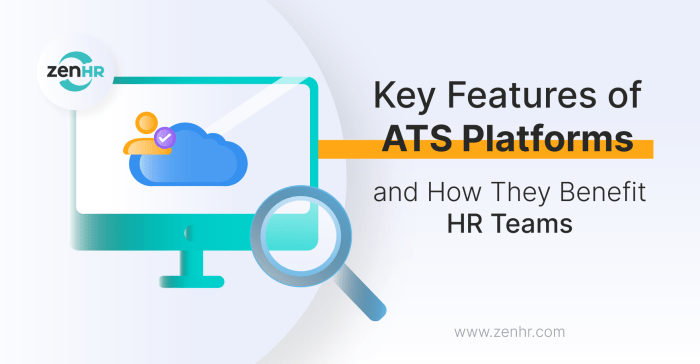
When selecting an ATS platform, HR managers need to carefully evaluate several key factors to ensure they choose the best option for their organization’s needs.
Pricing Models, Scalability, and Customization Options
- Compare pricing models: Consider the upfront costs, ongoing fees, and any additional charges for extra features or users.
- Evaluate scalability: Ensure the ATS platform can grow with your organization and handle increasing data and user needs over time.
- Assess customization options: Look for platforms that allow you to tailor the system to your specific workflows and requirements.
Data Security and Compliance Features
- Importance of data security: Prioritize platforms that offer robust security measures to protect sensitive HR information from breaches or unauthorized access.
- Compliance features: Verify that the ATS platform complies with relevant data protection regulations and industry standards to avoid legal risks.
Conclusion

In conclusion, the discussion on ATS platforms for HR managers illuminates the key benefits and considerations for leveraging these tools effectively in the dynamic landscape of human resource management.
Detailed FAQs
What are the key features of ATS platforms?
ATS platforms offer features like candidate tracking, sourcing, and evaluation tools to streamline HR processes efficiently.
How do ATS platforms benefit HR managers?
ATS platforms enhance recruitment outcomes by improving efficiency, effectiveness, and overall hiring process management.
What factors should HR managers consider when choosing an ATS platform?
HR managers should assess pricing, scalability, customization options, and data security features when selecting an ATS platform.