
As Budgeting for Home Automation: Smart Tips for Beginners takes center stage, this opening passage beckons readers into a world crafted with good knowledge, ensuring a reading experience that is both absorbing and distinctly original.
In this guide, we delve into the essential aspects of budgeting for home automation, offering valuable insights and practical tips for beginners looking to embark on this exciting journey.
Understanding Home Automation Basics
Home automation refers to the use of technology to control various devices and systems within a home remotely. This can include controlling lights, thermostats, security cameras, and more through a central hub or smartphone app. Home automation works by connecting these devices to a network, allowing them to communicate and be controlled from a distance.
Common Devices Used in Home Automation
- Smart Thermostats: These devices can learn your habits and adjust the temperature of your home accordingly, saving energy and money.
- Smart Lighting: Control your lights remotely, set schedules, and even change colors with smart lighting systems.
- Smart Security Systems: Monitor your home with cameras, door sensors, and alarms that can be accessed from your phone.
- Voice Assistants: Devices like Amazon Alexa and Google Home can control various smart devices in your home through voice commands.
Benefits of Home Automation for Beginners
- Convenience: Easily control your home devices from anywhere, reducing the need to manually adjust settings.
- Energy Efficiency: Save on energy bills by optimizing the use of lights, heating, and cooling systems through automation.
- Security: Keep your home secure with remote monitoring and alerts for any unusual activity.
- Customization: Set personalized schedules and preferences for your devices to suit your lifestyle and needs.
Setting a Budget for Home Automation
When embarking on a home automation project, determining a budget is a crucial step to ensure that you can achieve your desired level of automation without overspending. Here are some tips to help you set a budget effectively and prioritize your automation projects within that budget.
Determining Your Budget
- Start by assessing your current financial situation and determining how much you can realistically allocate to home automation.
- Research the average costs of common home automation devices and systems to get an idea of the overall investment required.
- Consider whether you will be installing the automation systems yourself or hiring professionals, as this can significantly impact your budget.
Cost Considerations
- Factor in not only the upfront costs of purchasing devices and systems but also ongoing maintenance and energy costs.
- Remember to include the cost of any additional components or accessories that may be needed to make the automation systems fully functional.
- Think about the long-term savings that home automation can offer, such as reduced energy bills, which can help offset the initial investment.
Prioritizing Automation Projects
- Identify the areas in your home where automation would provide the most convenience or energy savings to help you prioritize projects.
- Start with essential automation projects, such as smart lighting or a smart thermostat, before moving on to more advanced systems like home security or entertainment.
- Consider the potential return on investment for each automation project to determine which ones are worth prioritizing within your budget.
Choosing Essential Smart Devices
When it comes to setting up a smart home, choosing the right smart devices is crucial. These devices not only make your life easier but also enhance the efficiency and convenience of your home automation system. Here are some essential smart devices that beginners should consider:
Smart Thermostat
- Allows you to control the temperature of your home remotely.
- Helps you save energy and reduce utility bills.
- Look for compatibility with your HVAC system and smart home platform.
Smart Lighting System
- Allows you to control lights from anywhere using your smartphone.
- Can be programmed to turn on/off at specific times or based on your location.
- Consider the type of bulbs and compatibility with voice assistants like Alexa or Google Assistant.
Smart Security Cameras
- Keep an eye on your home when you’re away.
- Look for features like motion detection, two-way audio, and cloud storage.
- Ensure compatibility with your home network and smartphone for easy monitoring.
Smart Plugs and Outlets
- Turn any device into a smart one by controlling it remotely.
- Monitor energy usage and set schedules for connected devices.
- Check compatibility with your existing devices and smart home ecosystem.
Smart Door Locks
- Secure your home with keyless entry and remote access.
- Grant access to family members or service providers from your smartphone.
- Look for encryption and security features to protect your home from intruders.
DIY vs. Professional Installation
When it comes to setting up your home automation system, one of the key decisions you’ll have to make is whether to opt for a DIY installation or hire professionals to do the job for you. Both options have their own set of advantages and disadvantages, so it’s important to weigh them carefully before making a decision.
DIY Installation
DIY installation can be a cost-effective solution for those who are comfortable with technology and have some experience with setting up electronic devices. It allows you to have full control over the installation process and can be a satisfying project for tech-savvy individuals.
- Advantages:
- Cost-effective as you save on installation fees.
- Flexibility to customize the setup according to your preferences.
- Opportunity to learn more about the technology and improve your skills.
- Disadvantages:
- Requires time and effort to research and understand the installation process.
- No professional support or warranty for the setup.
- Potential risk of errors or malfunctions if not installed correctly.
Professional Installation
Professional installation, on the other hand, offers a more convenient and hassle-free option for those who prefer to leave the technical work to experts. While it may come at an additional cost, it can provide peace of mind and ensure a proper setup.
- Advantages:
- Expertise and experience from trained professionals.
- Guaranteed installation quality and functionality.
- Support and assistance in troubleshooting and maintenance.
- Disadvantages:
- Higher upfront costs due to professional service fees.
- Limited customization options compared to DIY installation.
- Dependence on external help for any future changes or upgrades.
Energy Efficiency and Cost Savings
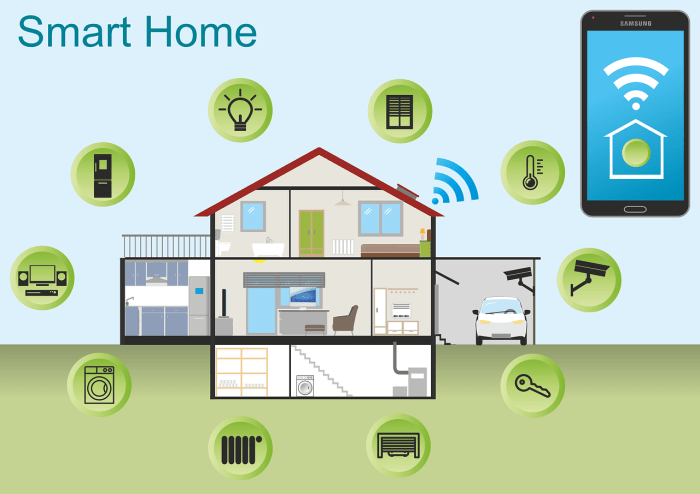
Implementing home automation can significantly contribute to energy efficiency and help homeowners save on costs in the long run.
Smart Devices for Energy Efficiency
- Smart Thermostats: These devices can learn your heating and cooling preferences and adjust the temperature accordingly, leading to reduced energy consumption.
- Smart LED Bulbs: Energy-efficient LED bulbs can be controlled remotely and scheduled to turn on/off, reducing electricity usage.
- Smart Power Strips: These strips can automatically turn off power to devices that are not in use, preventing energy wastage.
Achieving Cost Savings
- Reduced Energy Bills: By optimizing energy usage through smart devices, homeowners can see a decrease in their monthly utility bills.
- Preventive Maintenance: Smart home automation can help detect issues early, preventing costly repairs and saving money in the long term.
- Insurance Discounts: Some insurance companies offer discounts for homes equipped with smart security systems, leading to potential cost savings.
Security and Privacy Considerations
In the realm of home automation, security and privacy are paramount considerations that should not be overlooked. As smart devices become more integrated into our everyday lives, it is essential to take proactive measures to protect our homes, personal data, and networks from potential threats.
Best Practices for Securing Smart Devices and Networks
When it comes to securing smart devices and networks in your home, there are several best practices to keep in mind:
- Change default passwords: Always change the default passwords on your smart devices to unique, strong passwords to prevent unauthorized access.
- Regularly update firmware: Stay on top of firmware updates for your smart devices to patch any security vulnerabilities that may arise.
- Enable encryption: Make sure to enable encryption on your devices and networks to safeguard your data from prying eyes.
- Use a secure network: Set up a separate network for your smart devices to isolate them from your main network and prevent potential breaches.
Tips on Protecting Personal Data when Using Smart Home Technology
Protecting your personal data is crucial when utilizing smart home technology. Here are some tips to enhance the security of your personal information:
- Review privacy settings: Take the time to review and adjust the privacy settings on your smart devices to limit the collection and sharing of your data.
- Implement multi-factor authentication: Add an extra layer of security by enabling multi-factor authentication for your smart home apps and accounts.
- Regularly audit connected devices: Periodically review the devices connected to your smart home system and remove any that are no longer in use to reduce potential vulnerabilities.
- Be cautious with third-party apps: Only download apps from trusted sources and carefully review the permissions they request before installation.
Wrap-Up
In conclusion, Budgeting for Home Automation: Smart Tips for Beginners equips you with the necessary knowledge and strategies to kickstart your home automation projects successfully. With a focus on budget-friendly approaches and smart decision-making, you’re now ready to embrace the convenience and efficiency of automated living.
FAQ Insights
How can I determine a suitable budget for home automation?
To set a budget, start by evaluating your needs, researching device prices, and considering installation costs to come up with a realistic figure.
What are some must-have smart devices for beginners in home automation?
Begin with essentials like smart bulbs, smart plugs, and a smart hub to kickstart your home automation journey effectively.
What factors should I consider when choosing smart devices for my home?
Look for compatibility with existing devices, ease of use, reliability, and future scalability when selecting smart devices for your home automation setup.
Is DIY installation better than professional installation for home automation projects?
DIY installation can be cost-effective but might require technical expertise, while professional installation ensures a seamless setup but comes at a higher cost.
How can home automation contribute to energy efficiency and cost savings?
By automating lighting, heating, and cooling systems, you can optimize energy usage and reduce utility bills, ultimately leading to cost savings over time.
What measures should I take to ensure security and privacy in my home automation setup?
Secure your Wi-Fi network, regularly update device firmware, use strong passwords, and avoid sharing sensitive information to safeguard your smart home from potential threats.