
Exploring the art of Designing Interiors for Natural Light and Flow, this introduction delves into the intrinsic connection between light and design. From creating a welcoming ambiance to optimizing energy flow, this topic uncovers the secrets to transforming living spaces into harmonious sanctuaries.
As we journey through the nuances of natural light and spatial flow, we will unravel practical tips and creative strategies that elevate interior design to a new level of aesthetic and functionality.
Importance of Natural Light in Interior Design
Natural light plays a crucial role in shaping the overall ambiance and feel of a room. It has the power to transform a space, making it more inviting, vibrant, and visually appealing.
Benefits of Incorporating Natural Light
- Enhances Mood: Natural light has been linked to improved mood and overall well-being. It can create a positive and uplifting atmosphere in a room.
- Energy Efficiency: Utilizing natural light can help reduce the need for artificial lighting, leading to energy savings and lower utility bills.
- Highlighting Design Elements: Natural light can accentuate architectural features, furniture, and decor, adding depth and visual interest to the space.
Different Ways Natural Light Enhances Design
- Softening Colors: Natural light can soften and enhance the colors in a room, creating a more harmonious and balanced environment.
- Creating Dynamic Shadows: The interplay of natural light and shadows can add dimension and drama to the space, enhancing the overall design.
- Connecting Indoors and Outdoors: Natural light can blur the boundaries between indoor and outdoor spaces, creating a seamless flow and sense of openness.
Maximizing Natural Light
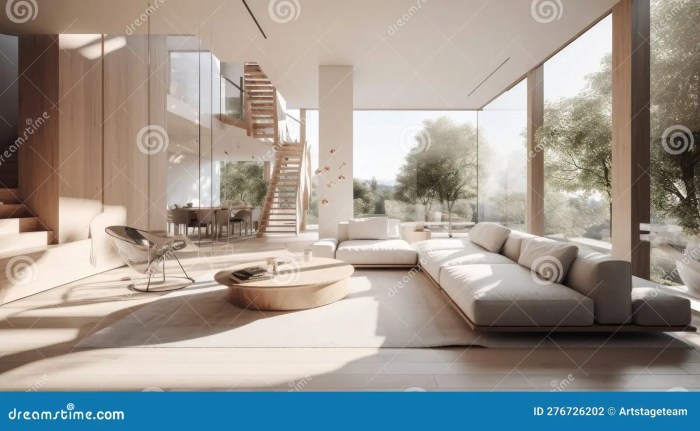
When designing interiors to maximize natural light, there are several techniques that can be employed to enhance the brightness and overall feel of the space.
Optimal Positioning of Furniture
One effective way to optimize natural light flow is by strategically placing furniture in a room. Avoid blocking windows or other sources of light with bulky pieces, and instead opt for lower-profile furniture that allows light to pass through.
Utilizing Mirrors and Reflective Surfaces
Another great way to amplify natural light in a space is by incorporating mirrors and other reflective surfaces. Placing mirrors opposite windows can help bounce light around the room, creating a brighter and more open feel. Additionally, using materials like glass, metallic finishes, or glossy surfaces can also help reflect light and make the space feel more luminous.
Creating Flow in Interior Spaces
In interior design, ‘flow’ refers to the seamless movement and connection between different areas of a space. It involves the arrangement of furniture, lighting, and decor in a way that allows for easy circulation and a sense of harmony.
How Natural Light Contributes to Creating a Sense of Flow
Natural light plays a crucial role in creating a sense of flow in interior spaces. It not only brightens up the room but also helps in visually connecting different areas. The presence of natural light can make a space feel more open, inviting, and cohesive.
Strategies for Designing Interiors that Promote a Seamless Flow of Light and Energy
- Maximize natural light sources: Position furniture and decor in a way that allows natural light to filter through the space effectively.
- Use light-colored finishes: Opt for light-colored walls, flooring, and furniture to help reflect and amplify natural light.
- Consider open floor plans: Open floor plans can enhance the flow of natural light and energy throughout the space, creating a more cohesive environment.
- Strategic lighting placement: In addition to natural light, incorporate artificial lighting in key areas to maintain a balanced and well-lit space, especially during darker hours.
- Utilize mirrors: Mirrors can help bounce natural light around the room, making it feel brighter and more spacious while enhancing the overall flow.
Choosing Color Schemes and Materials
Color schemes play a crucial role in how natural light is perceived within a room. The right combination of colors can enhance the brightness and warmth of natural light, while the wrong choice can make a space feel dark and cramped.
Selecting materials that reflect and diffuse natural light can further optimize the illumination in a room, creating a more inviting and spacious atmosphere.
Enhancing Natural Light with Color Schemes
One way to maximize natural light is by choosing light and neutral color schemes for walls, ceilings, and floors. Light shades such as whites, creams, and pastels can reflect light and make a room feel brighter and more open. Additionally, using glossy finishes can help bounce light around the space, further enhancing the illumination.
Materials for Reflection and Diffusion
- Use mirrors strategically to reflect natural light and create the illusion of a larger space.
- Opt for glass or translucent materials for furniture pieces to allow light to pass through and prevent blocking the flow of light.
- Select metallic accents or finishes that can reflect light and add a touch of elegance to the space.
Importance of Selecting the Right Colors and Materials
By carefully choosing color schemes and materials that promote the reflection and diffusion of natural light, you can transform a room into a bright and airy sanctuary. The right combination of colors and materials can significantly impact the perception of space and light, creating a harmonious and inviting environment.
Ultimate Conclusion
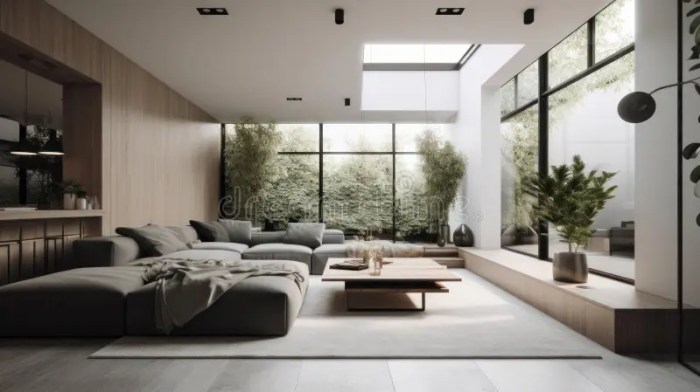
In conclusion, Designing Interiors for Natural Light and Flow encapsulates the essence of blending nature’s gift with architectural ingenuity. By harnessing the power of light and embracing fluid design principles, one can truly craft spaces that inspire and rejuvenate the soul.
Answers to Common Questions
How does natural light impact the feel of a room?
Natural light can create a sense of spaciousness and warmth, enhancing the overall ambiance of a room.
What techniques can be used to maximize natural light in interior spaces?
Techniques such as using light-colored paint, sheer curtains, and strategically placing mirrors can help maximize natural light.
How do color schemes affect natural light perception in a room?
Light color schemes can amplify natural light, making a room appear brighter and more inviting.