
Exploring the debate between DIY and Professional Smart Home Installations, this introduction sets the stage for a comprehensive discussion in a captivating and informative manner.
Detailing the key points and highlighting the importance of making the right choice for your smart home setup.
DIY Smart Home Installations
When it comes to setting up a smart home, opting for a do-it-yourself (DIY) installation can have several advantages over hiring a professional. Not only can it be more cost-effective, but it also gives you the flexibility to customize your smart home system according to your preferences.
However, there are some challenges and pitfalls to be aware of when taking the DIY route.
Advantages of DIY Smart Home Installation
- Cost-effective: DIY installations generally cost less as you won’t have to pay for professional services.
- Flexibility: You can choose the specific devices and brands that suit your needs and preferences.
- Learning experience: Setting up a smart home system on your own can be a valuable learning opportunity.
Step-by-Step Guide for Setting Up a Basic Smart Home System
- Choose the smart devices you want to incorporate, such as smart bulbs, smart plugs, or smart speakers.
- Ensure compatibility between devices and your home network.
- Set up a central hub or use a smart home app to connect and control your devices.
- Follow the manufacturer’s instructions to install and configure each device.
- Create automation routines or schedules to enhance the functionality of your smart home system.
Cost Comparison
- DIY: The cost of DIY smart home installations can vary depending on the number and type of devices you choose, but it is generally more affordable than hiring a professional.
- Professional: Hiring a professional for smart home installation can incur additional costs for labor and consultation fees.
Common Challenges and Pitfalls
- Compatibility issues between devices from different brands.
- Technical difficulties during setup and configuration.
- Security vulnerabilities if not properly secured.
Professional Smart Home Installations
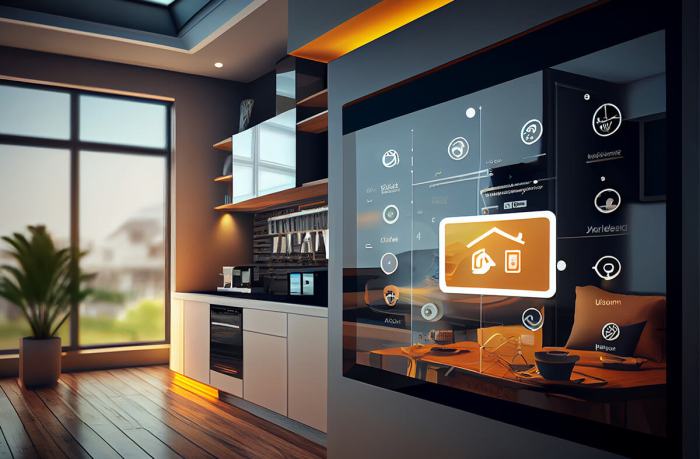
When it comes to setting up a smart home, hiring a professional installer can offer numerous benefits. These experts bring a wealth of knowledge and experience to ensure that your smart home system is installed correctly and functions seamlessly.
Qualifications and Expertise
Professional smart home installers are typically certified and trained in various aspects of home automation technology. They possess the skills and expertise needed to design and implement complex smart home systems tailored to your specific needs. Additionally, they stay updated on the latest trends and technologies in the industry to provide you with the best solutions.
Types of Smart Home Features
Some smart home features are best left to the professionals due to their complexity and technical requirements. These include intricate security systems, advanced lighting setups, and integrated home entertainment systems. Professionals can ensure that these features are installed correctly and are fully optimized for your home.
Examples of Complex Setups
Complex smart home setups, such as multi-room audio systems, automated blinds, and integrated HVAC controls, often require the expertise of professional installers. These setups involve intricate wiring, programming, and integration with various devices, which can be challenging for the average homeowner to handle.
By hiring a professional, you can rest assured that your smart home setup will be executed flawlessly.
Quality and Reliability
When it comes to the quality and reliability of smart home installations, whether DIY or professional, there are significant differences that can impact the overall performance and functionality of your system.
DIY Smart Home Installations
- DIY installations may lack the precision and expertise that professional installers bring to the table, leading to potential errors or malfunctions in the setup.
- There is a higher risk of compatibility issues and integration problems when various smart devices are not installed correctly or configured properly.
- Personal experiences often highlight the frustrations of troubleshooting DIY installations, especially when issues arise due to improper installation or setup.
Professional Smart Home Installations
- Professional installations offer a higher level of quality assurance and reliability due to the expertise and experience of trained professionals.
- Professionals can ensure seamless integration between different smart devices and systems, providing a more cohesive and efficient smart home setup.
- Personal experiences often emphasize the peace of mind that comes with a professionally installed smart home system, knowing that it has been done correctly and efficiently.
Customization and Flexibility
When it comes to smart home installations, customization and flexibility play a crucial role in meeting individual preferences and needs. Let’s delve into how DIY and professional installations differ in this aspect.
Level of Customization in DIY Installations
- DIY installations offer a high level of customization as users have the freedom to choose specific devices, brands, and features that align with their preferences.
- Users can personalize their smart home system by selecting different components, creating unique automation sequences, and adjusting settings according to their lifestyle.
- For example, DIY enthusiasts can integrate third-party devices, customize voice commands, and create tailored schedules for lighting, security, and climate control.
Limitations of Customization in Professional Installations
- Professional installations may limit customization options due to the standardized solutions offered by service providers.
- While professional setups ensure a seamless integration of devices and systems, they may lack the flexibility to accommodate specific user preferences or non-conventional setups.
- Users may have fewer choices in selecting devices or features, as professionals tend to work with pre-determined packages or systems.
Balancing Customization in DIY and Professional Installations
- To achieve a balance between customization and flexibility in DIY installations, users should research compatible devices, explore open-source platforms, and be willing to troubleshoot and experiment with different configurations.
- For professional installations, users can communicate their preferences clearly with the service provider, request customization options within the offered packages, and inquire about any flexibility in system adjustments post-installation.
- Ultimately, finding the right balance between customization and flexibility depends on the user’s technical expertise, preferences, and willingness to adapt the smart home system to their unique requirements.
Ending Remarks
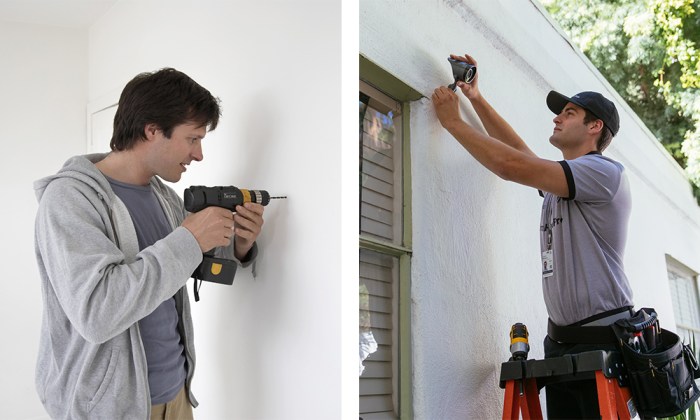
In conclusion, weighing the pros and cons of both options is essential to determine the best fit for your needs and preferences in the realm of smart home installations.
Popular Questions
Is it difficult to set up a DIY smart home system?
Setting up a basic DIY smart home system can be manageable with the right guidance and resources.
What are the advantages of hiring a professional for smart home installations?
Professionals bring expertise, ensure proper setup, and can handle complex installations efficiently.
Are DIY smart home installations more cost-effective than professional ones?
DIY installations are often cheaper upfront, but professional setups may offer better integration and long-term reliability.
Can DIY installations be as reliable as professional ones?
While DIY setups can be reliable, professional installations tend to offer higher quality and better compatibility with various devices.
How can one achieve a balance between customization and flexibility in smart home installations?
By understanding the limitations of each option and planning accordingly, one can strike a balance that meets their specific needs.