
Embark on a journey through the realm of healthcare job platforms in the US, where opportunities and connections await healthcare professionals seeking their next career move. This guide delves into the intricate details of these platforms, shedding light on their significance and impact in the industry.
As we navigate through the features, user experience, job listings, networking possibilities, recruitment processes, and industry trends, you’ll gain a deeper understanding of the dynamic landscape of healthcare job platforms in the US.
Overview of Healthcare Job Platforms in the US
Healthcare job platforms in the US play a crucial role in connecting healthcare professionals with job opportunities, facilitating the recruitment process for both employers and job seekers. These platforms have become essential in the healthcare industry, providing a centralized hub for job listings, professional networking, and career development.
Current Landscape of Healthcare Job Platforms
The healthcare job platform industry in the US is highly competitive and diverse, with a wide range of platforms catering to different specialties, roles, and regions. Some of the key players in the market include:
- Indeed Healthcare
- Monster Healthcare
- Health eCareers
- PracticeLink
Importance of Healthcare Job Platforms
Healthcare job platforms serve as a vital link between healthcare organizations and professionals, streamlining the hiring process and ensuring that the right candidates are matched with the right positions. These platforms provide valuable resources such as job listings, resume building tools, and networking opportunities, helping healthcare professionals advance their careers and find fulfilling employment opportunities.
Features and Functions
Healthcare job platforms in the US offer a variety of essential features to streamline the job search process for healthcare professionals. These platforms aim to connect job seekers with employers efficiently and effectively.
1. Job Search Filters
- Platforms allow users to filter job listings based on criteria such as specialty, location, experience level, and type of position.
- Filters help healthcare professionals find relevant job opportunities quickly and easily.
2. Resume Posting and Profile Creation
- Users can create profiles and upload resumes to showcase their qualifications and experience to potential employers.
- Employers can search through profiles to find candidates that match their hiring needs.
3. Job Alerts and Notifications
- Platforms offer job alert features that notify users about new job postings that match their preferences.
- Notifications keep job seekers informed about relevant opportunities in real-time.
4. Application Tracking System
- Some platforms provide an application tracking system to help candidates keep track of their job applications and interview processes.
- Tracking systems streamline the application process and provide transparency to applicants.
5. Networking Opportunities
- Healthcare job platforms often include networking features that allow professionals to connect with peers, mentors, and potential employers.
- Networking opportunities can help individuals expand their professional connections and advance their careers.
User Experience
In the realm of healthcare job platforms in the US, user experience plays a crucial role in attracting and retaining job seekers. The ease of navigation, functionality, and overall design of these platforms can significantly impact the engagement levels of users.
User Interface and Features
- Intuitive Design: Popular healthcare job platforms often feature a clean and intuitive interface that allows users to easily navigate through job listings, filter searches, and apply for positions without confusion.
- Customized Job Alerts: These platforms offer users the ability to set up personalized job alerts based on their preferences, such as location, specialty, or job title. This feature ensures that job seekers are notified of relevant opportunities in a timely manner.
- Resume Building Tools: Some platforms provide tools to help users create and optimize their resumes, making it easier for job seekers to showcase their qualifications and skills to potential employers.
- Communication Channels: Healthcare job platforms often include communication channels like messaging or email systems that allow for seamless interaction between employers and candidates, streamlining the hiring process.
- Mobile Optimization: With the increasing use of smartphones, many platforms optimize their websites for mobile devices, ensuring that job seekers can access and apply for positions on the go.
A seamless user experience on healthcare job platforms can lead to increased user engagement, higher application rates, and ultimately, successful job placements.
Job Listings and Opportunities
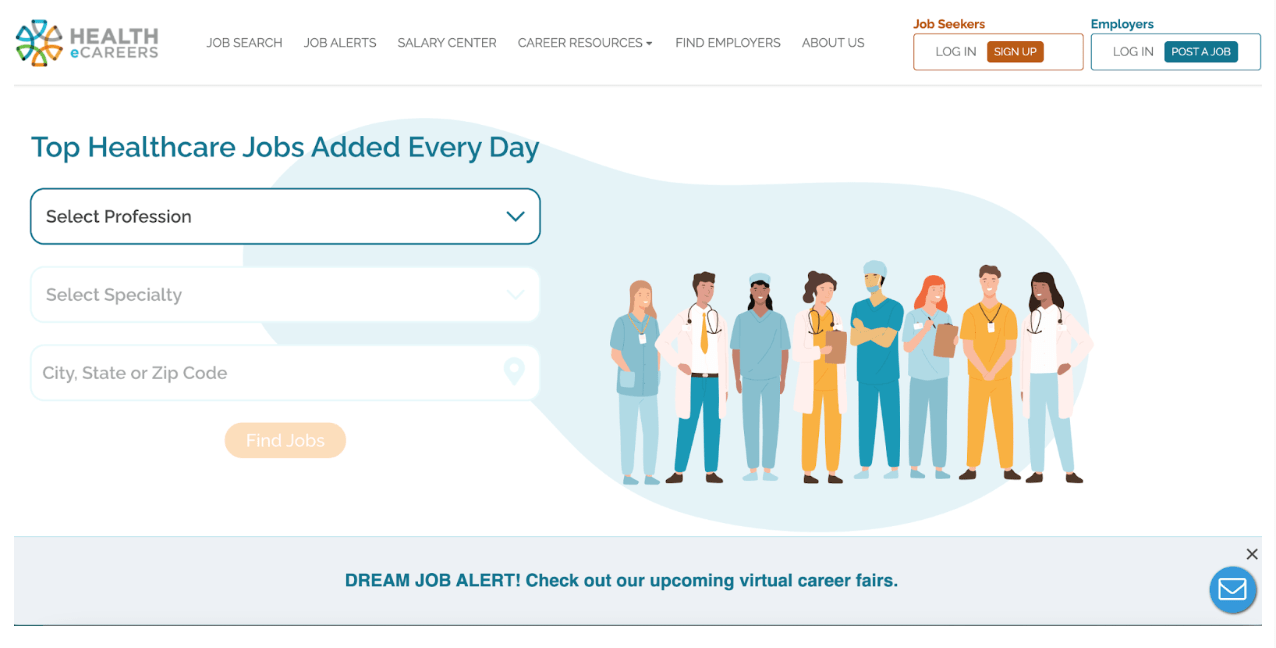
When it comes to healthcare job platforms in the US, users can find a wide range of job listings and opportunities tailored to various roles and specialties within the healthcare industry. These platforms serve as a centralized hub for both job seekers and employers looking to fill positions in hospitals, clinics, research facilities, and more.
Types of Healthcare Jobs Available
- Physicians and Surgeons
- Nurses and Nurse Practitioners
- Medical Technologists
- Pharmacists
- Physical and Occupational Therapists
- Healthcare Administrators
Job Listings Categorization
Job listings on healthcare platforms are typically categorized based on job titles, specialties, locations, experience levels, and employment types. This categorization helps users easily navigate the platform and find relevant opportunities that match their qualifications and preferences.
Diversity of Job Postings
Across different healthcare job platforms, there is a diverse range of job postings available, catering to entry-level positions, mid-career roles, and senior-level positions. Users can explore opportunities in various healthcare settings, such as hospitals, private practices, nursing homes, and telehealth companies.
This diversity ensures that healthcare professionals with different backgrounds and career goals can find suitable job options that align with their expertise and interests.
Networking and Community Building
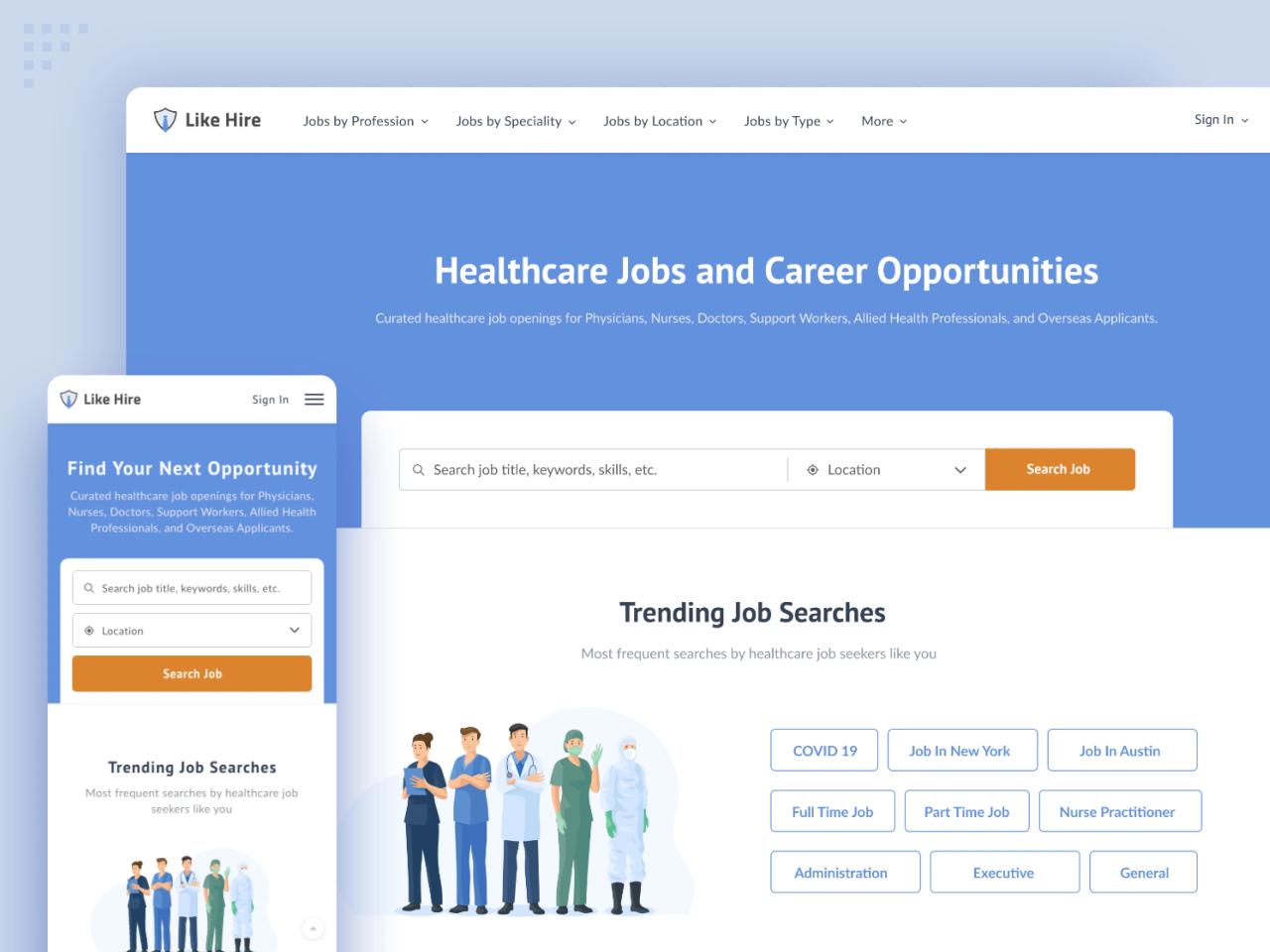
Networking and community building play a crucial role in the healthcare industry, allowing professionals to connect, share insights, and access job opportunities. Healthcare job platforms serve as a hub for fostering these connections and relationships, ultimately contributing to career growth and development.
Facilitating Professional Networking
Healthcare job platforms provide tools and features that enable professionals to network with peers, mentors, and potential employers. These platforms allow users to create profiles, join groups, and participate in discussions related to their field. By connecting with others in the industry, professionals can expand their network, exchange knowledge, and stay updated on industry trends.
- Users can connect with colleagues, mentors, and industry experts to seek advice, guidance, and mentorship.
- Networking events and webinars are organized to facilitate interactions among healthcare professionals.
- Job fairs and virtual career expos provide opportunities for professionals to network with recruiters and explore job openings.
Role of Online Communities
Online communities on healthcare job platforms serve as a valuable resource for sharing insights, discussing best practices, and seeking job referrals. These communities create a supportive environment where professionals can seek advice, collaborate on projects, and build meaningful relationships within the industry.
- Professionals can share their experiences, challenges, and success stories with like-minded individuals in the community.
- Online forums and discussion boards allow for the exchange of ideas, resources, and job leads among community members.
- Community moderators and leaders play a key role in fostering engagement, maintaining a positive atmosphere, and ensuring the community’s relevance to its members.
Contribution to Career Growth
Networking features on healthcare job platforms not only facilitate professional connections but also contribute to career growth and development. By actively engaging with the community, professionals can enhance their skills, expand their knowledge, and access new job opportunities that align with their career goals.
- Networking helps professionals stay informed about industry trends, advancements, and new job openings.
- Building a strong professional network can lead to mentorship opportunities, career advancement, and potential collaborations on projects.
- Through networking, professionals can gain visibility, establish credibility, and position themselves for future career growth within the healthcare industry.
Recruitment Process
The recruitment process on healthcare job platforms plays a crucial role for both employers and candidates, ensuring a smooth and efficient hiring experience. These platforms offer a range of tools and resources to streamline the recruitment process and connect the right candidates with the right job opportunities.
Let’s delve deeper into how these platforms facilitate transparency and fairness in recruitment practices.
Tools and Resources for Streamlining Hiring Process
- Advanced Search Filters: Healthcare job platforms allow employers to narrow down their search based on specific criteria such as experience, skills, and location, making it easier to find qualified candidates.
- Automated Application Tracking: Employers can track and manage applications efficiently through automated systems, saving time and improving the overall recruitment process.
- Assessment Tools: Some platforms offer assessment tools to evaluate candidates’ skills and compatibility with the job role, helping employers make informed hiring decisions.
- Interview Scheduling: Integrated interview scheduling tools enable employers to schedule interviews seamlessly and coordinate with candidates effectively.
Ensuring Transparency and Fairness in Recruitment Practices
- Equal Opportunity Employment: Healthcare job platforms promote equal opportunity employment by providing a level playing field for candidates from diverse backgrounds.
- Anti-Discrimination Policies: These platforms enforce strict anti-discrimination policies to prevent bias in the recruitment process and ensure fair treatment of all candidates.
- Feedback Mechanisms: Employers and candidates can provide feedback on the recruitment process, helping improve transparency and accountability in hiring practices.
- Data Privacy and Security: Healthcare job platforms prioritize data privacy and security, safeguarding sensitive information shared during the recruitment process.
Industry Trends and Innovations
The healthcare industry is constantly evolving, and healthcare job platforms are no exception. In recent years, there have been several trends and innovations that are shaping the way these platforms operate and connect healthcare professionals with job opportunities.
Integration of AI and Machine Learning
One of the most significant advancements in healthcare job platforms is the integration of artificial intelligence (AI) and machine learning technologies. These technologies are being used to optimize job matching by analyzing vast amounts of data to identify the most suitable candidates for specific roles.
By leveraging AI and machine learning, platforms can provide more accurate matches, saving time for both recruiters and job seekers.
Adapting to the Evolving Needs of the Healthcare Industry
Healthcare job platforms are adapting to meet the changing needs of the healthcare industry. With the rise of telemedicine and remote work, platforms are now offering more opportunities for virtual healthcare positions. Additionally, there is a growing emphasis on diversity and inclusion in healthcare, and job platforms are incorporating features to promote a more inclusive hiring process.
Personalized Job Recommendations
Another trend in healthcare job platforms is the focus on personalized job recommendations. Platforms are utilizing algorithms to understand the preferences and skills of individual users, providing them with tailored job suggestions that match their qualifications and interests. This personalized approach not only saves time for job seekers but also increases the likelihood of finding the perfect job match.
Enhanced Security and Privacy Measures
As healthcare job platforms handle sensitive personal and professional information, there is a growing emphasis on implementing enhanced security and privacy measures. Platforms are investing in robust cybersecurity protocols to protect user data and ensure confidentiality. By prioritizing security, platforms are building trust among healthcare professionals and employers, creating a safe and secure environment for job searching and recruitment.
Ultimate Conclusion
In conclusion, healthcare job platforms in the US serve as pivotal hubs that bridge the gap between talent and opportunities in the healthcare sector. By embracing technological advancements and fostering community engagement, these platforms pave the way for enhanced career growth and development in the ever-evolving industry.
FAQ Explained
What are the common features offered by top healthcare job platforms?
Common features include advanced search filters, job alerts, resume builders, and networking capabilities.
How are job listings categorized on these platforms?
Job listings are often categorized by specialty, location, experience level, and type of employment (full-time, part-time, etc.).
What role do online communities play in healthcare job platforms?
Online communities facilitate knowledge-sharing, provide career advice, and serve as platforms for networking and referrals.
How do healthcare job platforms ensure fairness in the recruitment process?
Platforms utilize tools like AI for unbiased candidate screening, standardized assessments, and transparent communication channels.