
Delving into home exteriors roofing, this introduction immerses readers in a unique and compelling narrative. From the importance of roofing in enhancing curb appeal to the various materials used, this topic covers everything you need to know about roofing for your home.
Learn about the different types of roofing materials, the installation process, and the crucial maintenance and repair aspects that homeowners should be aware of. Get ready to discover how roofing can transform the look and value of your property.
Importance of Roofing in Home Exteriors
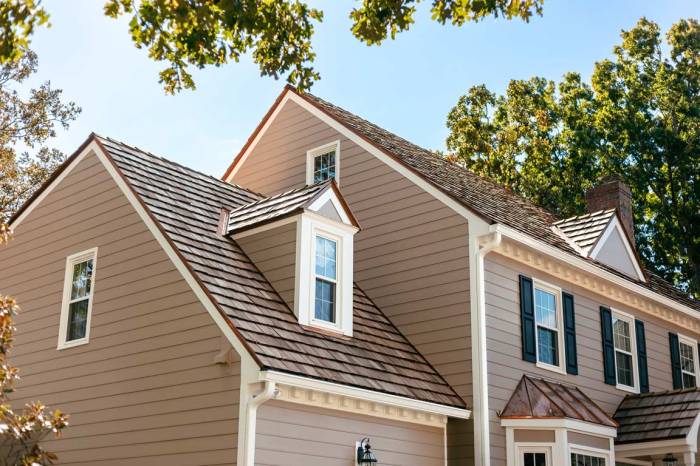
Roofing plays a crucial role in both the aesthetics and functionality of a home’s exterior. Not only does it protect the interior of the house from the elements, but it also contributes significantly to the overall curb appeal and value of the property.
Different Roofing Materials and Styles
There are various roofing materials and styles available that can complement different architectural designs. For example, asphalt shingles are a popular choice for traditional homes, while metal roofing is often used in contemporary or industrial-style houses. Additionally, clay tiles can add a Mediterranean flair to a home, while wood shakes provide a rustic charm.
Enhancing Curb Appeal and Increasing Property Value
Proper roofing enhances the curb appeal of a home by adding visual interest and character. A well-maintained roof can make a significant difference in the overall appearance of a property, making it more attractive to potential buyers. Furthermore, investing in high-quality roofing materials and installation can increase the value of a home, as it is seen as a desirable feature by homebuyers.
Types of Roofing Materials
When it comes to roofing materials for home exteriors, there are several options available, each with its own unique characteristics and benefits.
Asphalt Shingles
Asphalt shingles are one of the most common roofing materials used in residential properties. They are cost-effective, easy to install, and come in a variety of colors and styles. However, asphalt shingles have a shorter lifespan compared to other materials, typically lasting around 15-30 years.
They may also require more frequent maintenance and are susceptible to damage from severe weather conditions.
Metal Roofing
Metal roofing is known for its durability and longevity, lasting up to 50 years or more with proper maintenance. It is also resistant to fire, rot, and insect damage. While metal roofing can be more expensive upfront, it can save money in the long run due to its longevity and energy efficiency.
However, metal roofing can be noisy during rain or hailstorms and may require insulation to reduce the noise.
Tile Roofing
Tile roofing, commonly made from clay or concrete, is known for its aesthetic appeal and longevity. It can last 50 years or more and is resistant to fire and insect damage. However, tile roofing is heavy and may require additional structural support.
It is also more expensive than asphalt shingles or metal roofing.
Wood Shingles
Wood shingles provide a natural and rustic look to a home exterior. They are eco-friendly and biodegradable, making them a sustainable option. However, wood shingles require regular maintenance to prevent rot, mold, and insect infestations. They also have a shorter lifespan compared to other materials, typically lasting around 15-25 years.
Factors to Consider
When selecting the right roofing material for a specific climate or architectural style, it is essential to consider factors such as durability, maintenance requirements, cost, energy efficiency, and aesthetic appeal. Different materials have varying levels of resistance to weather conditions and may be more suitable for certain climates.
Additionally, the architectural style of the home can influence the choice of roofing material to complement the overall design.
Roofing Installation Process
Installing a new roof is a crucial part of maintaining the structural integrity and aesthetics of a home. The process involves various steps that ensure the roof is properly installed to provide protection and durability.Proper insulation, underlayment, and ventilation play a significant role in the roofing installation process.
Insulation helps regulate the temperature inside the home, reducing energy costs and preventing moisture buildup. Underlayment acts as a barrier against water infiltration, while ventilation helps prevent mold and mildew growth by allowing air to circulate properly.
Importance of Proper Insulation
- Insulation helps maintain a comfortable temperature inside the home, reducing energy consumption.
- Proper insulation prevents heat loss during the winter and heat gain during the summer.
- It also acts as a sound barrier, reducing noise pollution from outside.
Significance of Underlayment
- Underlayment protects the roof deck from water damage and leaks.
- It provides an additional layer of protection against extreme weather conditions.
- Proper underlayment ensures the longevity of the roofing materials.
Importance of Ventilation
- Proper ventilation helps extend the lifespan of the roof by preventing moisture buildup.
- It improves indoor air quality by reducing humidity levels and preventing mold growth.
- Ventilation also helps regulate attic temperatures, preventing ice dams in winter.
Roofing Maintenance and Repair
Regular maintenance is crucial for prolonging the lifespan of a roof and ensuring the safety and integrity of a home. By addressing issues promptly and conducting routine inspections, homeowners can prevent costly repairs and avoid major damage to their property.
Importance of Regular Maintenance
- Inspect the roof at least twice a year to check for any signs of damage, such as missing shingles, leaks, or sagging areas.
- Clean gutters and downspouts to prevent water buildup and potential water damage to the roof.
- Trim overhanging branches to prevent debris from accumulating on the roof and causing damage.
- Address any issues promptly to prevent them from escalating and causing further damage to the roof and interior of the home.
Common Signs of Roof Damage
- Missing or damaged shingles
- Leaks or water stains on the ceiling
- Sagging or uneven areas on the roof
- Granules from shingles in gutters
DIY Maintenance Tasks vs Professional Repairs
- DIY Maintenance Tasks:
- Cleaning gutters and downspouts
- Trimming overhanging branches
- Replacing missing shingles
- Professional Repairs:
- Roof leak repairs
- Replacing damaged flashing
- Repairing extensive storm damage
Concluding Remarks
In conclusion, home exteriors roofing play a vital role in not just the appearance but also the functionality of a house. By understanding the different materials, installation process, and maintenance tips, homeowners can ensure their roofs stand the test of time.
Dive into the world of roofing and elevate your home’s exterior today.
FAQ Insights
What are the key factors to consider when selecting the right roofing material?
Consider durability, cost, maintenance requirements, and how well the material complements your home’s architectural style.
How often should homeowners conduct roof maintenance?
It is recommended to inspect your roof at least twice a year, especially after extreme weather conditions.
Can I repair roof damage on my own?
Small repairs like replacing missing shingles can be done DIY, but for significant damage or leaks, it’s best to hire a professional.