
When it comes to making a bold statement with interior wall art, the choices you make can truly transform a space. From selecting the perfect pieces to arranging them thoughtfully, every detail plays a crucial role in setting the tone of a room.
Let’s delve into the world of interior wall art and explore how you can create a captivating ambiance that reflects your unique style.
Choosing the Right Art Pieces
![[BIG SALE] Make a Statement with Wall Art You’ll Love In 2021 | Wayfair](https://interior.jpnn.com/wp-content/uploads/2025/11/Make-a-Statement-with-Wall-Art.jpg "[BIG SALE] Make a Statement with Wall Art You’ll Love In 2021 | Wayfair")
Selecting the right art pieces for your interior walls can truly set the tone for a room, adding personality and visual interest. The art you choose should complement the overall decor style of the space while making a statement of its own.
Types of Art Pieces
- Paintings: Classic and versatile, paintings can range from traditional to modern, abstract to realistic, and can be a focal point in any room.
- Photographs: Photography art pieces can add a personal touch to a space, capturing special moments or stunning landscapes.
- Sculptures: Three-dimensional art pieces like sculptures can create depth and texture on your walls, making a bold statement.
Matching Art Pieces with Decor Style
Art pieces should harmonize with the overall decor style of the room. For example:
- In a minimalist and modern room, opt for abstract paintings or sleek sculptures to complement the clean lines and simplicity of the space.
- For a bohemian or eclectic room, mix and match different art styles and mediums to create a vibrant and eclectic look.
- In a traditional or elegant space, consider classic paintings or sculptures that reflect a timeless aesthetic.
Placement and Arrangement
When it comes to interior wall art, the placement and arrangement are crucial factors that can make or break the overall look of a room. Properly positioning art pieces can create a focal point, enhance the aesthetics of the space, and tie the room together harmoniously.
Creating a Focal Point
One effective way to make a statement with wall art is by creating a focal point on a specific wall. This can be achieved by hanging a large, eye-catching piece of art that draws attention and serves as the centerpiece of the room.
Ensure that the art piece is at eye level and properly centered on the wall for maximum impact.
Arranging Multiple Art Pieces
When arranging multiple art pieces on a wall, there are different strategies you can use to make a cohesive statement. Consider creating a gallery wall by grouping various art pieces together in a visually appealing layout. You can arrange them symmetrically for a more structured look or asymmetrically for a more eclectic vibe.
Size and Scale
When it comes to interior wall art, size and scale play a crucial role in creating a visually appealing space. The right size of art can enhance the overall aesthetics of a room, while improper sizing can throw off the balance and harmony of the design.
Determining the Appropriate Size
Determining the appropriate size of art for different wall spaces involves considering the dimensions of the wall itself. Here are some guidelines to help you choose the right size:
- For a small wall space, opt for a smaller piece of art to avoid overwhelming the area.
- For a large wall or a statement piece, choose an artwork that is proportionate to the size of the wall to create a focal point.
- Consider the surrounding furniture and decor to ensure the art complements the space without overpowering it.
Impact of Scale
Scale can greatly impact the visual impact of art on interior walls. A piece of art that is too small for a wall can get lost in the space, while one that is too large can dominate the room and make it feel cramped.
Finding the right balance in scale is key to creating a harmonious and visually appealing environment.
Framing and Matting
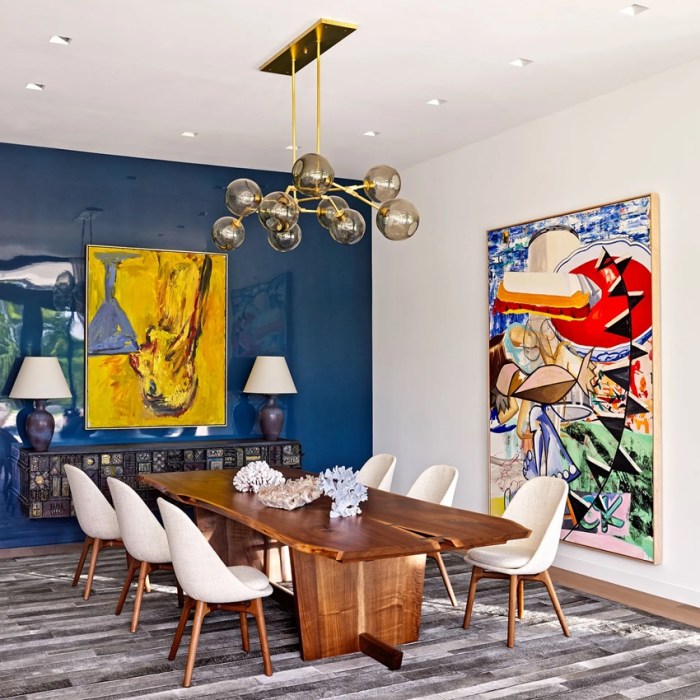
Framing and matting play a crucial role in enhancing the overall look of interior wall art. They can elevate the artwork, complement the style of the room, and draw attention to the piece in a subtle yet impactful way.
Role of Framing and Matting
Choosing the right frame for your art piece can make a significant difference in how it is perceived. A frame that complements the colors and style of the artwork can enhance its overall impact. On the other hand, opting for a frame that contrasts with the art can create a bold statement and draw attention to the piece.
Different Frame Styles
- Minimalist Frames: These frames are sleek and simple, perfect for contemporary and modern art pieces.
- Ornate Frames: Ornate frames with intricate details are ideal for classic and traditional artworks, adding a touch of elegance.
- Floating Frames: Floating frames create a modern and sophisticated look by allowing the artwork to appear to float within the frame.
Matting for Depth and Visual Interest
Matting is not just for aesthetic purposes; it also adds depth and visual interest to framed art. A mat can help create a sense of space around the artwork, drawing the viewer’s eye towards the piece. Additionally, choosing the right color and thickness of the mat can further enhance the overall look of the framed art.
Last Word
As we wrap up our discussion on how to make a statement with interior wall art, remember that the art you choose speaks volumes about your personality and taste. By carefully considering factors like placement, size, and framing, you can elevate your living space into a stunning showcase of creativity and sophistication.
Let your walls tell a story that is uniquely yours.
FAQs
How do I choose the right art pieces for my walls?
When selecting art pieces, consider the room’s color scheme, style, and the mood you want to convey. Look for pieces that resonate with you personally and complement the overall aesthetic of the space.
What is the significance of size and scale when choosing wall art?
Size and scale play a crucial role in how art interacts with the surrounding space. Larger pieces can make a bold statement, while smaller ones can be grouped together for a gallery effect. Consider the wall dimensions and furniture placement when deciding on the size of your art.
How can I create a focal point with wall art?
To create a focal point, choose a prominent wall or area in the room where the art will be the center of attention. Use lighting, framing, or unique placement to draw the eye to your chosen piece.
What impact does framing and matting have on wall art?
Framing and matting can enhance the overall look of wall art by providing structure and depth. Different frame styles can either complement or contrast with the art piece, while matting adds a layer of visual interest.