
Embark on a journey of blending modern and traditional styles in your home with our guide on How to Mix Modern and Traditional Styles in One Home. Discover the secrets to creating a harmonious fusion of contemporary and classic design elements that will transform your living spaces into a unique reflection of your personal style.
As we delve deeper into the intricacies of merging modern and traditional aesthetics, you’ll uncover valuable insights and expert tips to help you achieve a perfect balance between these two contrasting design approaches.
Understanding Modern and Traditional Styles
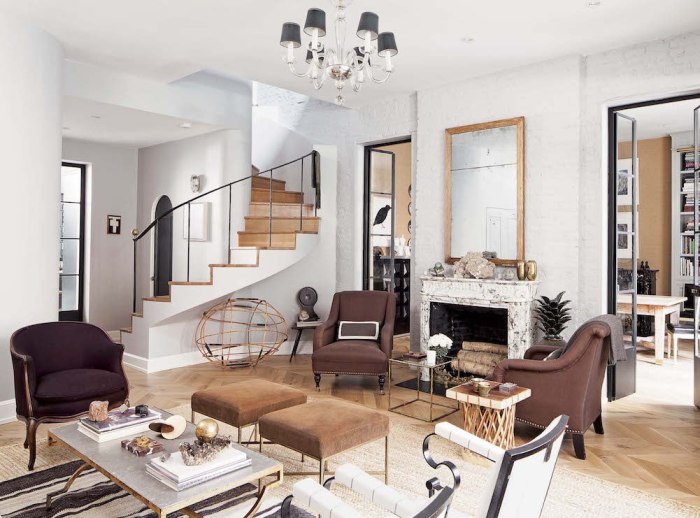
When it comes to interior design, modern and traditional styles are two popular options that offer distinct characteristics and aesthetics. Understanding the key features of each style can help you create a cohesive and harmonious look in your home.
Key Characteristics of Modern Interior Design
Modern interior design is known for its clean lines, minimalism, and sleek finishes. Some key characteristics of modern style include:
- Sleek and simple furniture with clean lines
- Neutral color palettes with bold accent colors
- Open and airy spaces with plenty of natural light
- Use of materials like glass, metal, and concrete
- Minimalist approach with a focus on function over form
Defining Elements of Traditional Interior Design
On the other hand, traditional interior design is characterized by warmth, elegance, and classic details. Some defining elements of traditional style include:
- Rich and luxurious fabrics like velvet and silk
- Dark wood furniture with intricate carvings and details
- Warm and inviting color schemes with deep tones
- Formal layouts with symmetry and balance
- Classic patterns like floral, damask, and toile
Comparison of Modern and Traditional Styles
When comparing modern and traditional styles, there are some key differences in terms of color schemes, furniture, and decor:
- Color Schemes:Modern styles tend to favor neutral tones with pops of bold color, while traditional styles often feature rich, warm hues.
- Furniture:Modern furniture is sleek and minimalistic, while traditional furniture is often more ornate and detailed.
- Decor:Modern decor focuses on simplicity and functionality, whereas traditional decor leans towards elegance and traditional motifs.
Finding Common Ground
When blending modern and traditional styles in one home, it’s essential to find common ground between the two aesthetics. By identifying elements that can bridge these styles, you can create a cohesive and harmonious look that reflects your personal taste.
Identifying Elements of Common Ground
To bridge modern and traditional styles, look for elements that can work well together, such as:
- Neutral Color Palette: Neutral colors like white, beige, and gray can serve as a common base for both modern and traditional furniture pieces.
- Mix of Materials: Combining materials like wood, metal, and glass can help blend the two styles seamlessly.
- Transitional Pieces: Opt for furniture pieces that have clean lines but with traditional details, creating a perfect balance between the two styles.
Balancing Modern and Traditional Elements
When decorating a room with a mix of modern and traditional elements, it’s important to strike a balance to avoid overwhelming the space. Here are some tips to achieve that balance:
- Focus on Scale: Ensure that modern and traditional furniture pieces complement each other in terms of scale and proportion.
- Layering Textures: Incorporate different textures like velvet, leather, and metal to add depth and richness to the room.
- Statement Pieces: Use one or two statement pieces to anchor the room and tie the modern and traditional elements together.
Furniture Pieces Blending Modern and Traditional Aesthetics
There are furniture pieces that seamlessly blend modern and traditional aesthetics, such as:
- Wingback Chair with Modern Upholstery: A classic wingback chair with a modern and bold fabric can add a touch of traditional elegance with a contemporary twist.
- Mixed Material Coffee Table: A coffee table combining wood and metal elements can bridge the gap between modern simplicity and traditional warmth.
- Mid-Century Modern Sofa with Traditional Accents: A mid-century modern sofa with traditional details like button tufting or turned legs can be a perfect fusion of both styles.
Color Palette and Textures
When combining modern and traditional styles in one home, choosing the right color palette and textures is crucial to achieving a harmonious design that blends both aesthetics seamlessly.
Selecting a Color Palette
When selecting a color palette for a mixed style interior, it’s important to find colors that bridge the gap between modern and traditional. Consider using neutral tones as a base, such as whites, beiges, or grays, and then adding pops of color in accent pieces or artwork to bring in personality and depth.
Incorporating Textures
Textures play a significant role in adding depth and visual interest to a space. Mixing textures like smooth glass with rough wood or plush velvet with sleek metal can create a dynamic and inviting environment. Incorporate a variety of textures in your furniture, decor, and textiles to enhance the overall design.
The Role of Textiles
Textiles are a key element in merging modern and traditional styles. Consider using classic patterns like stripes, florals, or plaids in modern colors or incorporating modern geometric prints in traditional fabrics like silk or velvet. Mixing and matching textiles can help tie together the different design elements and create a cohesive look.
Creating Harmony in Spaces
To create a cohesive look when mixing modern and traditional styles, it’s essential to find common elements that tie the two together. This can be achieved through careful selection of colors, textures, and decor pieces that complement each other. Layering decor elements effectively is another key strategy.
This involves blending furniture, artwork, and accessories from both styles in a way that feels balanced and intentional. Lighting plays a crucial role in harmonizing different design styles. The right lighting fixtures can help set the mood and highlight the best features of both modern and traditional elements in a space.
Ways to Create a Cohesive Look
When mixing modern and traditional styles, consider using a neutral color palette as a base to create a harmonious backdrop for both styles to shine. Integrate shared materials like wood, metal, or glass to bridge the gap between the two aesthetics.
Additionally, incorporate a few statement pieces that combine elements of both styles to serve as focal points in the room.
Ideas for Effective Decor Layering
- Start by selecting a dominant style as the foundation and then layer elements from the other style on top. This could involve pairing a modern sofa with traditional accent chairs or mixing contemporary artwork with classic frames.
- Blend textures by combining sleek, smooth surfaces with more tactile fabrics like velvet or linen. This contrast adds depth and visual interest to the space.
- Use rugs and throw pillows to tie the room together. Opt for patterns or colors that complement both styles and help unify the overall look.
The Importance of Lighting
Proper lighting can enhance the ambiance of a space and bring out the best in modern and traditional design elements. Consider a mix of overhead lighting, task lighting, and ambient lighting to create a layered effect that highlights different areas of the room.
Use dimmer switches to adjust the brightness levels and set the mood according to the time of day or specific activities.
Room-by-Room Approach
When it comes to mixing modern and traditional styles in your home, it’s important to take a room-by-room approach to ensure a cohesive and harmonious design throughout the house. Each room serves a different purpose and has its own unique characteristics, so it’s essential to consider how to blend these styles effectively in the living room, bedroom, and kitchen.
Living Room
In the living room, you can combine modern furniture pieces with traditional accents to create a balanced look. For example, pair a sleek, contemporary sofa with a classic area rug or ornate coffee table. Mix and match different textures like leather, wood, and metal to add depth to the space.
Consider incorporating traditional artwork or decorative pieces to bring warmth and character to the room.
Bedroom
When blending modern and traditional styles in the bedroom, focus on creating a cozy and inviting atmosphere. Opt for a modern bed frame with traditional bedding, such as a quilt or throw pillows with intricate patterns. Balance clean lines with soft fabrics and rich colors to achieve a harmonious look.
Incorporate vintage or antique pieces like a bedside table or dresser to add a touch of nostalgia to the room.
Kitchen
In the kitchen, mix modern appliances and fixtures with traditional elements like farmhouse-style cabinets or a rustic dining table. Consider adding a contemporary light fixture above the dining area to create a focal point in the room. Play with contrasting colors and textures, such as pairing stainless steel appliances with wooden countertops or backsplash.
This combination will give your kitchen a unique and eclectic feel while maintaining a cohesive design theme throughout the house.
Outcome Summary
In conclusion, mastering the art of combining modern and traditional styles can truly elevate the ambiance of your home, creating a visually stunning and culturally rich environment that is both inviting and sophisticated. Embrace the beauty of diversity in design and embark on your creative journey to transform your living spaces with a seamless blend of modern and traditional elements.
Query Resolution
How do I choose a color palette that works for both modern and traditional styles?
When selecting a color palette, opt for neutral tones as a base and incorporate pops of color through accessories or artwork to add visual interest while maintaining harmony between modern and traditional elements.
What are some examples of furniture pieces that blend modern and traditional aesthetics?
Furniture pieces such as a sleek modern sofa paired with a classic wooden coffee table or a contemporary dining table with ornate traditional chairs are excellent examples of blending modern and traditional styles seamlessly.
How can I effectively layer decor elements when mixing modern and traditional styles?
To create depth and visual interest, layer decor elements by incorporating a mix of textures, patterns, and finishes. Play with contrasting elements such as smooth surfaces with textured fabrics or sleek metal accents with intricate wood carvings.