
In the fast-paced world of startups, the right HR management platforms can make all the difference. From streamlining processes to ensuring compliance, these tools play a crucial role in the success of new businesses. Let’s dive into the world of HR management platforms for startups and explore how they are reshaping the way these companies operate.
The content of the second paragraph that provides descriptive and clear information about the topic
Importance of HR Management Platforms for Startups
In the fast-paced world of startups, having efficient HR management platforms is crucial for ensuring smooth operations and sustainable growth. These platforms are specifically designed to address the unique needs and challenges faced by startups, offering a wide range of tools and features to streamline HR processes and enhance overall efficiency.
Streamlining HR Processes
HR management platforms help startups automate repetitive tasks such as payroll processing, employee onboarding, and performance evaluations. By digitizing these processes, startups can save time and resources, allowing HR teams to focus on more strategic initiatives like talent acquisition and employee development.
- Automated Payroll Processing: HR platforms like Gusto and Zenefits simplify payroll calculations and tax filings, reducing errors and ensuring timely payments to employees.
- Employee Onboarding: Platforms like BambooHR and Namely offer onboarding checklists and document management tools to streamline the onboarding process and ensure a seamless experience for new hires.
- Performance Evaluations: Performance management platforms like 15Five and Lattice provide tools for setting goals, tracking progress, and conducting performance reviews, fostering a culture of continuous feedback and improvement.
Successful Startups Utilizing HR Management Platforms
Many successful startups have leveraged HR management platforms to scale their operations and drive organizational success. For example, Airbnb uses Sapling for HR automation and employee engagement, while Slack relies on Workday for workforce planning and analytics. These platforms have enabled these startups to efficiently manage their growing teams, nurture talent, and maintain a strong company culture amidst rapid expansion.
Key Features of HR Management Platforms for Startups
HR management platforms offer a wide range of essential features that can greatly benefit startups in managing their human resources efficiently. These features are designed to streamline HR processes, enhance employee engagement, and ensure compliance with relevant regulations.
Employee Onboarding and Offboarding
One crucial feature that HR management platforms provide is automated employee onboarding and offboarding processes. This includes digital forms for new hires, task assignment for orientation, and checklist completion for offboarding. By automating these processes, startups can save time and ensure a smooth transition for employees.
Time and Attendance Tracking
Another key feature is time and attendance tracking, which helps in monitoring employee work hours, leaves, and overtime. This feature allows startups to accurately track employee productivity, manage schedules effectively, and ensure compliance with labor laws.
Performance Management
HR platforms also offer performance management tools that enable startups to set goals, conduct performance reviews, and provide feedback to employees. By tracking performance metrics and offering continuous feedback, startups can improve employee performance and drive overall business success.
Payroll and Benefits Administration
Payroll and benefits administration features help startups manage payroll processing, tax calculations, and benefits enrollment efficiently. These features ensure accurate and timely payments to employees, as well as compliance with payroll regulations.
Training and Development
HR management platforms provide tools for training and development, including learning management systems and skill assessment modules. Startups can create customized training programs, track employee progress, and identify skill gaps to nurture talent within the organization.
Customization and Scalability
Customization and scalability are crucial aspects of HR management platforms for startups, allowing them to tailor their HR processes to fit their unique needs and grow as the company expands.
Importance of Customization
Customization in HR platforms for startups is essential because:
- It allows startups to align HR processes with their specific goals and culture, fostering a more personalized employee experience.
- Customization enables startups to adapt quickly to changing business requirements and regulatory compliance, ensuring efficiency and legal adherence.
- Personalized features can enhance employee engagement, satisfaction, and productivity, contributing to overall business success.
How HR Platforms can be Tailored
HR platforms can be customized for startups by:
- Configuring workflows and approvals to match the company’s unique hierarchy and decision-making processes.
- Integrating with other tools and systems used by the startup to create a seamless and connected HR ecosystem.
- Implementing specific modules or functionalities based on the startup’s priorities, such as performance management, recruitment, or payroll.
Scalability Options
HR management platforms for startups offer scalability through:
- Flexible pricing plans that allow startups to add or remove features and users as needed, accommodating growth without unnecessary costs.
- Adaptable infrastructure that can support increased data volume, users, and processes as the startup expands its operations.
- Scalable support services that provide guidance and assistance during periods of rapid growth or organizational change.
Integration with Other Tools
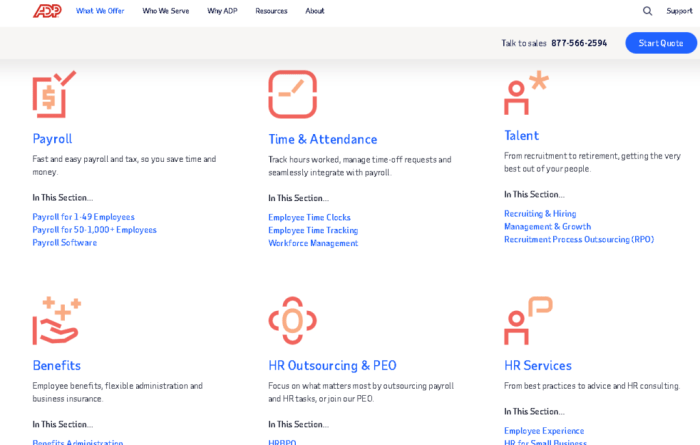
When it comes to HR management platforms for startups, integration with other tools plays a crucial role in streamlining processes and enhancing overall efficiency. By seamlessly connecting with various tools used by startups, HR platforms can provide a centralized hub for managing all aspects of HR operations.
Examples of Popular Integrations
- Integration with payroll software: HR management platforms often integrate with payroll software to automate payroll processing, tax calculations, and employee compensation management. This integration eliminates manual data entry errors and ensures payroll accuracy.
- Integration with applicant tracking systems (ATS): By integrating with ATS platforms, HR management systems can streamline the recruitment process, from job posting to candidate evaluation. This integration helps startups attract top talent and manage the hiring process more efficiently.
- Integration with performance management tools: HR platforms can integrate with performance management tools to track employee performance, set goals, and provide feedback. This integration enables startups to align employee performance with organizational goals and drive productivity.
Benefits for Startups
- Improved efficiency: Seamless integrations with other tools eliminate the need for manual data entry and reduce the risk of errors, saving time and improving overall efficiency.
- Enhanced data accuracy: Integrations ensure data consistency across different systems, reducing discrepancies and ensuring accurate information for decision-making.
- Greater visibility: By integrating with other tools, HR platforms provide a comprehensive view of HR data and processes, enabling startups to make informed decisions and drive strategic initiatives.
Data Security and Compliance
Data security and compliance are crucial aspects of HR management platforms for startups as they deal with sensitive employee information. Ensuring the protection of data and adherence to regulations is vital for the success and reputation of any startup.
Importance of Data Security Features
- HR platforms implement robust data encryption techniques to safeguard employee data from unauthorized access.
- Access controls are put in place to ensure that only authorized personnel can view or modify sensitive information.
- Regular security audits and updates help in identifying and addressing any vulnerabilities in the system.
Ensuring Compliance with Regulations
- HR management platforms for startups are designed to comply with data protection laws such as GDPR, HIPAA, and other relevant regulations.
- Features like consent management and data retention policies help in meeting regulatory requirements.
- Platforms also provide audit trails and reporting functionalities to demonstrate compliance during inspections or audits.
Consequences of Non-Compliance and Data Breaches
-
Non-compliance with data protection regulations can result in hefty fines and legal penalties for startups, leading to financial losses and reputational damage.
- Data breaches can expose sensitive employee information, leading to loss of trust among employees and customers.
- Startups may face lawsuits from affected parties and spend significant resources on remediation efforts post a data breach.
User Experience and Training
User experience design plays a crucial role in the effectiveness of HR management platforms for startups. The significance of user-friendly interfaces and intuitive navigation cannot be overstated, as they directly impact the adoption and usability of these platforms. Additionally, providing adequate training and support options is essential for startups to maximize the benefits of HR platforms and ensure smooth implementation.
User-Friendly Interfaces and Intuitive Navigation
Startups often have limited resources and time to dedicate to HR management tasks. Therefore, having a user-friendly interface and intuitive navigation in HR platforms is paramount for ensuring that users can easily access and utilize the tools they need without extensive training or support.
Clear and simple design elements, along with logical workflows, can significantly enhance the overall user experience and productivity.
Training and Support Options
While user-friendly interfaces are crucial, providing adequate training and support options is equally important. Startups may not have dedicated HR teams or experts to guide them through the platform’s functionalities. Therefore, offering comprehensive training materials, tutorials, and responsive customer support can help startups effectively onboard their employees and leverage the full potential of the HR management platform.
Ending Remarks
As we wrap up our exploration of HR management platforms for startups, it’s clear that these tools are essential for the growth and efficiency of new businesses. By leveraging the right platforms, startups can focus on what truly matters – innovation and expansion.
Questions Often Asked
Why do startups need specialized HR management platforms?
Startups require specialized HR management platforms to effectively manage their growing workforce, streamline processes, and ensure compliance with regulations. These platforms offer tailored solutions that cater to the unique needs of startups.
How do HR management platforms contribute to the growth and success of startups?
HR management platforms help startups by automating time-consuming tasks, providing valuable insights through data analytics, and fostering a positive work culture. By enhancing efficiency and productivity, these platforms play a vital role in the growth and success of startups.
What are the consequences of non-compliance and data breaches for startups using HR management platforms?
Non-compliance and data breaches can result in legal penalties, damage to reputation, loss of trust from employees, and financial implications for startups. It is crucial for startups to prioritize data security and compliance to avoid such consequences.