
Embark on a journey through the realm of interiors, where design meets functionality in a harmonious blend. From the importance of interiors to the latest trends, this guide delves deep into the fascinating world of interior design.
Importance of Interiors
Interiors play a crucial role in the overall design of a space, influencing the atmosphere and functionality of the environment.
Impact on Mood and Productivity
Interior design directly affects the mood and productivity of individuals within a space. A well-designed interior with appropriate lighting, colors, and layouts can create a welcoming and inspiring atmosphere, boosting creativity and focus.
Enhancing Functionality
Well-designed interiors can enhance the functionality of a space by optimizing the layout and organization. For example, strategic placement of furniture and storage solutions can maximize the use of space and improve efficiency in daily activities.
Elements of Interior Design
Creating a well-designed interior space involves a combination of key elements that work together harmoniously to enhance the overall look and feel of a room.
Color
Color plays a crucial role in interior design as it sets the mood and tone of a space. Different colors evoke different emotions and can impact the perception of size and light within a room.
Lighting
Proper lighting is essential in interior design as it can highlight architectural features, create ambiance, and affect the functionality of a room. Natural light, artificial light, and the placement of light sources all contribute to the overall design.
Furniture
The selection and arrangement of furniture can greatly influence the functionality and flow of a space. Furniture should not only be aesthetically pleasing but also serve a practical purpose while complementing the overall design style.
Textures
Textures add depth and dimension to an interior space, creating visual interest and tactile appeal. Mixing different textures such as smooth, rough, shiny, or matte can add richness and warmth to a room.
Spatial Planning
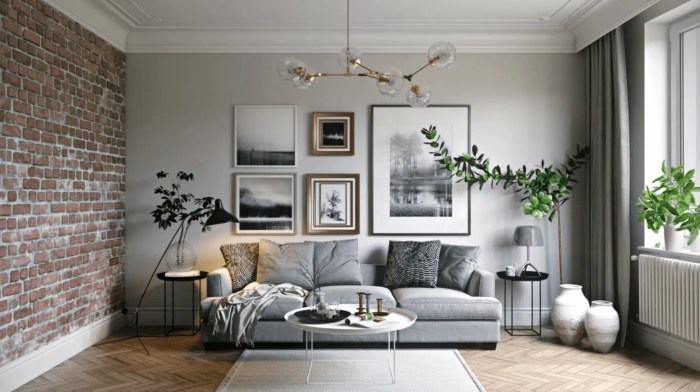
Spatial planning is a crucial aspect of interior design that involves organizing and arranging the available space in a way that is both functional and visually appealing. It considers the flow of movement within a space, the placement of furniture and accessories, and the overall layout to optimize the use of space.
Maximizing Space in Small Interiors
When working with small interiors, maximizing space is essential to create a comfortable and functional environment. Here are some tips to make the most out of limited space:
- Utilize vertical space by installing shelves or storage units that go upwards.
- Choose furniture pieces that are multi-functional, such as a sofa bed or a dining table with storage.
- Use light colors and mirrors to create an illusion of a larger space.
- Keep the space clutter-free by implementing smart storage solutions.
Importance of Flow and Layout
Flow and layout are key elements in creating a functional interior that feels cohesive and well-designed. Here’s why they are important:
- Good flow ensures that there is a logical and convenient path to move through the space.
- Effective layout helps in optimizing the use of space and creating designated areas for different activities.
- Proper flow and layout contribute to the overall harmony and balance of the interior design.
Materials and Finishes
When it comes to interior design, materials and finishes play a crucial role in shaping the overall look and feel of a space. The choice of materials can significantly impact both the aesthetics and functionality of a room, making it essential to carefully consider the options available.
Different Materials and Finishes
There is a wide variety of materials and finishes commonly used in interior design to create unique and engaging spaces. Some of the most popular choices include:
- Wood: A versatile material that adds warmth and texture to a space. It can be used for flooring, furniture, and wall paneling.
- Metal: Adds a modern and sleek touch to interiors. Commonly used for fixtures, accents, and furniture legs.
- Glass: Offers transparency and lightness, making spaces appear larger and more open. Used for windows, doors, and decorative elements.
- Stone: Provides a sense of luxury and durability. Used for countertops, flooring, and feature walls.
- Textiles: Soft materials like fabrics and upholstery that add comfort and coziness to a room. Used for curtains, cushions, and rugs.
Impact of Materials on Aesthetics and Functionality
The choice of materials can greatly impact the aesthetics and functionality of a space. For example, using a combination of wood and metal can create a harmonious blend of warmth and modernity. Additionally, the durability of materials like stone can ensure longevity and practicality in high-traffic areas.
Mixing Textures and Finishes for Depth
By mixing different textures and finishes, interior designers can add depth and visual interest to a space. For instance, combining a glossy finish with a matte texture can create a dynamic contrast that draws the eye. Mixing materials like leather and velvet can also introduce tactile richness and sophistication to a room.
Trends in Interior Design
As the field of interior design continues to evolve, various trends shape the way spaces are designed and decorated. These trends reflect changes in lifestyle, technology, sustainability, and cultural influences.
Sustainable Design
Sustainable design has become a prominent trend in interior design, with a focus on using eco-friendly materials, energy-efficient systems, and sustainable practices. Designers are incorporating recycled materials, natural light, and indoor plants to create environmentally conscious spaces.
Biophilic Design
Biophilic design is another growing trend that emphasizes the connection between humans and nature. This approach integrates natural elements such as wood, stone, and water into interior spaces to improve well-being and productivity. Living walls, green roofs, and large windows are common features in biophilic design.
Technology in Interior Design
Technology plays a significant role in shaping modern interior design trends. Smart home automation, virtual reality tools, 3D printing, and sustainable lighting systems are revolutionizing the way spaces are designed and experienced. Designers are incorporating technology seamlessly into interiors to enhance functionality and aesthetics.
Cultural Influences
Cultural influences have a profound impact on interior design trends, as designers draw inspiration from different traditions, art forms, and lifestyles. Globalization has led to a fusion of styles, colors, and textures from around the world. For example, Scandinavian minimalism, Japanese Zen aesthetics, and Moroccan patterns are popular influences in contemporary interior design.
Ending Remarks
As we conclude our exploration of interiors, it becomes evident that the art of interior design goes beyond mere aesthetics. It is a reflection of our personalities, lifestyles, and aspirations, shaping the spaces we inhabit into havens of creativity and comfort.
Essential FAQs
How do interiors impact mood and productivity?
Well-designed interiors can evoke certain emotions and enhance productivity by creating a conducive environment that promotes focus and relaxation.
What are some key elements of interior design?
Key elements include color, lighting, furniture, textures, and spatial layout, all working together to create a cohesive and visually appealing space.
Why is spatial planning important in interior design?
Spatial planning ensures optimal use of space, creating flow and functionality within the interiors while maximizing comfort and efficiency.
How do materials and finishes impact interior aesthetics?
The choice of materials and finishes can significantly influence the overall look and feel of a space, adding depth and character to the design.
What are some current trends in interior design?
Current trends include sustainable design, biophilic design, and the integration of technology to create modern and innovative living spaces.