

As Sustainable Furniture and Interior Design Ideas takes center stage, this opening passage beckons readers into a world crafted with good knowledge, ensuring a reading experience that is both absorbing and distinctly original.
In the realm of furniture and interior design, sustainability has become a key focus, driving innovation and creativity towards a greener future.
Sustainable Materials in Furniture Design
When it comes to sustainable furniture design, using eco-friendly materials is paramount in reducing the environmental impact of production. Let’s explore some popular sustainable materials used in furniture design and their benefits.
Popular Sustainable Materials:
- Bamboo: Known for its rapid growth and renewability, bamboo is a popular choice for sustainable furniture due to its strength and versatility.
- Reclaimed Wood: Salvaged from old buildings or furniture, reclaimed wood not only reduces waste but also adds a unique character to each piece.
- Recycled Plastic: By repurposing plastic waste into furniture components, designers can help reduce plastic pollution while creating durable and stylish pieces.
- Cork: Harvested from the bark of cork oak trees without harming them, cork is a sustainable material that is lightweight, water-resistant, and biodegradable.
Benefits of Using Recycled Materials:
- Reduces Waste: By using recycled materials, furniture designers can divert waste from landfills and minimize the need for new resources.
- Energy Efficient: The production of recycled materials often requires less energy compared to producing new materials, leading to a smaller carbon footprint.
- Promotes Circular Economy: Incorporating recycled materials into furniture design supports the concept of a circular economy, where materials are reused and recycled to create a closed-loop system.
Contribution to Eco-Friendly Interior Design:
Sustainable materials play a crucial role in promoting eco-friendly interior design practices by reducing the environmental impact of furniture production. They help create healthier indoor spaces and contribute to a more sustainable future for the planet.
Eco-Friendly Furniture Production Techniques
When it comes to furniture production, traditional methods often involve heavy use of non-renewable resources and toxic chemicals. However, eco-friendly alternatives have emerged in recent years, aiming to reduce environmental impact and promote sustainability.
Use of Recycled Materials
One innovative production method in eco-friendly furniture design is the use of recycled materials. By repurposing items like reclaimed wood, plastic, or metal, manufacturers can reduce waste and minimize the need for new resources.
Low-impact Manufacturing Processes
Another approach to eco-friendly furniture production is the adoption of low-impact manufacturing processes. This includes techniques like water-based finishes, non-toxic adhesives, and energy-efficient machinery, all of which help reduce the carbon footprint of furniture production.
Forest Stewardship Council (FSC) Certification
Many eco-conscious furniture companies now seek Forest Stewardship Council (FSC) certification for their products. This certification ensures that the wood used in furniture construction comes from responsibly managed forests, promoting the conservation of biodiversity and the protection of indigenous communities.
Biophilic Design in Interior Spaces
Biophilic design is a concept that seeks to connect people with nature by incorporating natural elements into interior spaces. This design approach is gaining popularity due to its ability to improve well-being, productivity, and overall quality of life.
Incorporating Biophilic Elements
There are several ways to incorporate biophilic elements into furniture and interior spaces:
- Use natural materials such as wood, stone, and bamboo in furniture design.
- Integrate plants and greenery into the interior to bring a sense of nature indoors.
- Maximize natural light and ventilation to create a connection with the outdoors.
- Include water features like indoor fountains or aquariums to add a calming element to the space.
Impact on Health and Well-being
Biophilic design has a significant impact on health and well-being:
- Reduces stress and anxiety levels, promoting a sense of calmness and relaxation.
- Improves air quality by introducing more plants into the space, leading to better respiratory health.
- Enhances creativity and productivity by creating a more inspiring and natural environment.
- Increases overall satisfaction and happiness levels among occupants of biophilic spaces.
Upcycling and Repurposing Furniture
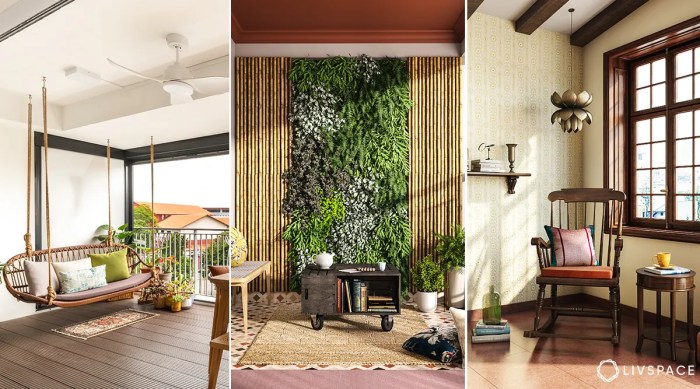
Upcycling in furniture design involves taking old or unwanted furniture and transforming it into something new and improved, often with a higher quality or value than the original.
Creative Ideas for Repurposing Old Furniture Sustainably
Repurposing old furniture not only reduces waste but also allows you to create unique pieces for your home. Here are some creative ideas:
- Turn an old dresser into a kitchen island by adding a countertop and shelves.
- Convert a wooden door into a stylish dining table by adding legs and a glass top.
- Transform a ladder into a bookshelf by securing the steps horizontally on the wall.
- Repurpose old chairs by painting them in vibrant colors and using them as plant stands.
Environmental Benefits of Upcycling Compared to Buying New Furniture
Upcycling furniture has several environmental benefits when compared to buying new furniture:
- Reduces waste and helps minimize the amount of furniture ending up in landfills.
- Conserves natural resources by reusing materials instead of producing new ones.
- Decreases the carbon footprint associated with manufacturing and transporting new furniture.
- Promotes a sustainable lifestyle by encouraging creativity and resourcefulness in repurposing furniture.
Minimalist and Functional Design
Minimalist design focuses on simplicity, clean lines, and a clutter-free aesthetic. When it comes to sustainable furniture and interior design, minimalist principles can play a crucial role in promoting sustainability by reducing waste and emphasizing functionality over excess.
Relationship between Minimalist Design and Sustainability
Minimalist design is closely tied to sustainability as it encourages the use of fewer materials, leading to less waste during production. By prioritizing essential elements and eliminating unnecessary embellishments, minimalist furniture designs can be more durable and long-lasting, ultimately reducing the need for frequent replacements.
Examples of Functional and Sustainable Furniture Designs
- Modular furniture pieces that can be easily customized and adapted to changing needs, promoting longevity and reducing the need for new purchases.
- Furniture made from sustainable materials such as bamboo, reclaimed wood, or recycled plastic, showcasing a commitment to eco-friendly practices.
- Multipurpose furniture items like storage ottomans or convertible sofa beds that maximize space efficiency and serve dual functions, minimizing the need for excess furniture.
Contribution of Minimalist Design to a Sustainable Lifestyle
Minimalist design promotes a more intentional and mindful approach to consumption, encouraging individuals to prioritize quality over quantity. By investing in fewer but high-quality and functional pieces, individuals can reduce their environmental footprint and contribute to a more sustainable lifestyle.
Additionally, the simplicity and functionality of minimalist design can lead to a decluttered living space, promoting a sense of calm and well-being.
Last Word
In conclusion, Sustainable Furniture and Interior Design Ideas offer a promising path towards a more environmentally conscious and aesthetically pleasing living space. Embracing these ideas not only enhances the beauty of our surroundings but also contributes to a sustainable lifestyle that benefits both present and future generations.
Essential Questionnaire
What are some popular sustainable materials used in furniture design?
Popular sustainable materials include bamboo, reclaimed wood, and recycled metal, known for their eco-friendly properties and durability.
How does biophilic design impact health and well-being?
Biophilic design, by incorporating natural elements and green spaces, has been shown to reduce stress, improve air quality, and enhance overall well-being.
What is the difference between upcycling and recycling furniture?
Upcycling involves creatively transforming old furniture into new pieces with increased value, while recycling focuses on breaking down materials for reuse in new products.
Why is minimalist design important for sustainability?
Minimalist design focuses on simplicity, functionality, and reducing waste, aligning perfectly with sustainable practices by promoting long-lasting and timeless furniture pieces.